Cedar vs Vinyl Fence: Best Choice for Georgia Homes
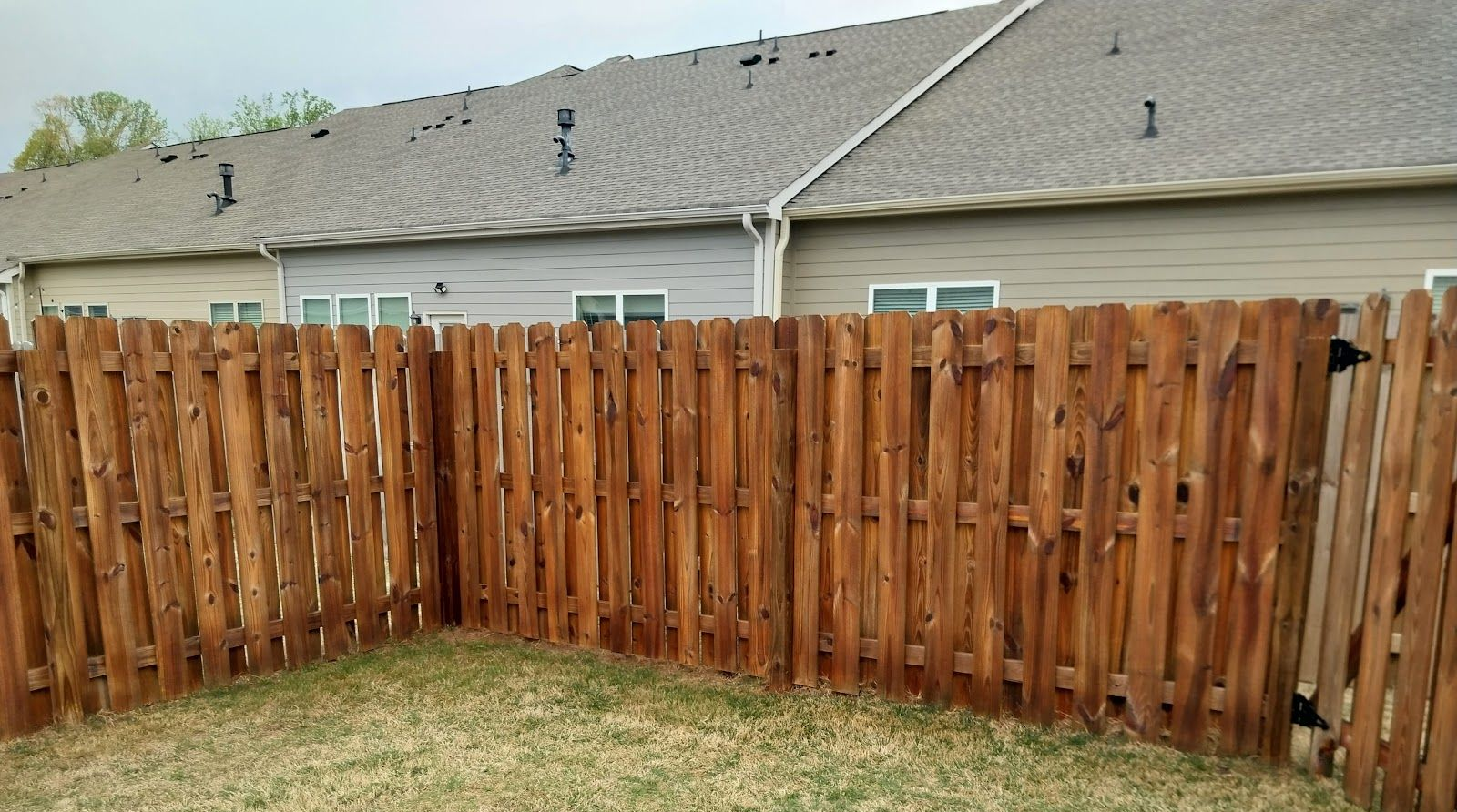
Georgia's humid summers and unpredictable winters destroy most fences within 10 years. Pressure-treated pine warps. Chain link rusts. Composite materials crack in the heat.
But two materials consistently outlast the rest: cedar and vinyl.
At
Down to Earth Fence , winner of Best of Forsyth 2025 & 2026 for Fencing Contractor, we install both cedar and vinyl fences across Cumming and North Georgia. As a locally owned, family-run business, we've spent 15 years installing fences across Forsyth County and seeing firsthand how each material performs in our climate. We've replaced rotted pine fences with cedar. We've installed vinyl for homeowners tired of staining every three years.
The choice between cedar and vinyl isn't about which is "better" but more about which matches your priorities: natural beauty versus low maintenance, hands-on care versus set-and-forget durability, and traditional aesthetics versus modern performance.
This guide breaks down the real lifespan data, maintenance requirements, and performance characteristics for both materials. You'll see side-by-side comparisons, Georgia-specific climate data, and decision frameworks based on your home's needs and your lifestyle preferences.
By the end, you'll know exactly which fence material fits your property, your schedule, and your long-term goals.
TL;DR — Cedar vs Vinyl Fencing: Which Is Best for Georgia Homes?
- Cedar: Natural beauty, 15-25 year lifespan, requires staining every 3-5 years, authentic wood grain
- Vinyl: Low maintenance, 20-25 year lifespan, no staining needed, modern uniform appearance
- Best for Georgia: Both handle humidity well; cedar needs more care but offers natural aesthetics
- Decision point: Choose cedar for traditional beauty and hands-on maintenance; choose vinyl for minimal upkeep and consistent appearance
Ready to choose the perfect fence for your Georgia home? Get a free quote from Down to Earth Fence today.
Get a free quoteCedar vs Vinyl: Quick Comparison Table
| Feature | Cedar Fencing | Vinyl Fencing |
|---|---|---|
| Lifespan (Georgia) | 15-25 years | 20-25 years |
| Maintenance Frequency | Stain every 3-5 years | Wash 1-2x per year |
| Annual Maintenance Time | 4-6 hours | 1-2 hours |
| Appearance | Natural wood grain, unique patterns | Smooth, uniform finish |
| Color Options | Stain to any color, natural aging | Limited (white, tan, gray) |
| Color Changeability | Yes (restain anytime) | No (permanent color) |
| Humidity Resistance | Excellent (natural oils) | Excellent (non-porous) |
| Heat Performance (95°F+) | Stable, no warping | Can warp if low-quality |
| Temperature Stability | Minimal expansion/contraction | Expands/contracts with heat |
| Resale Value Appeal | High (natural materials) | Moderate (modern appeal) |
| DIY Installation | Moderate difficulty | Difficult (specialized tools) |
| Repair Complexity | Replace individual boards | Replace entire panels |
| Environmental Impact | Renewable resource | Petroleum-based product |
| Aging Characteristics | Silver-gray patina | Maintains original color |
Cedar Fencing: Benefits and Drawbacks for Georgia
Natural Beauty and Curb Appeal
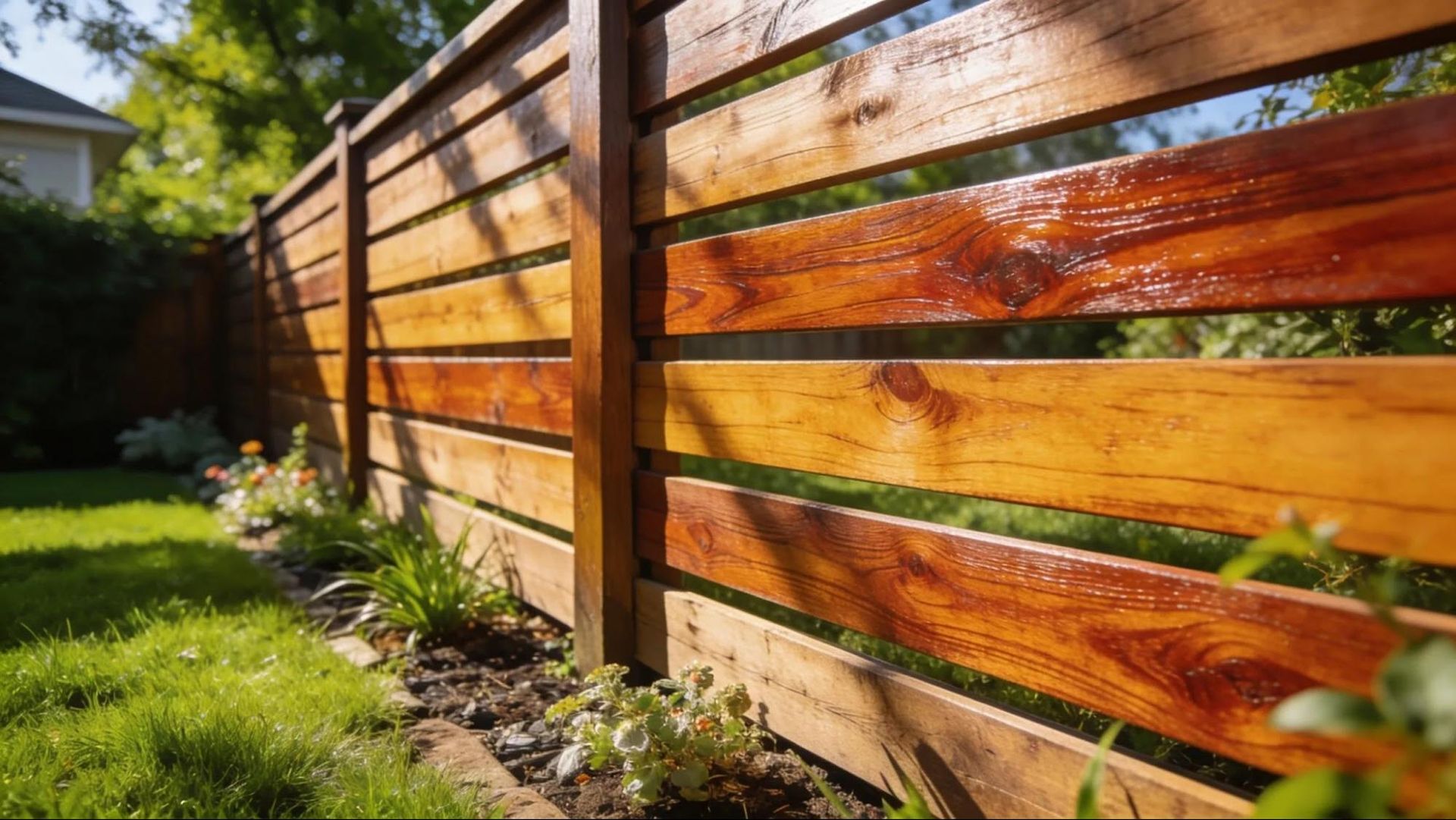
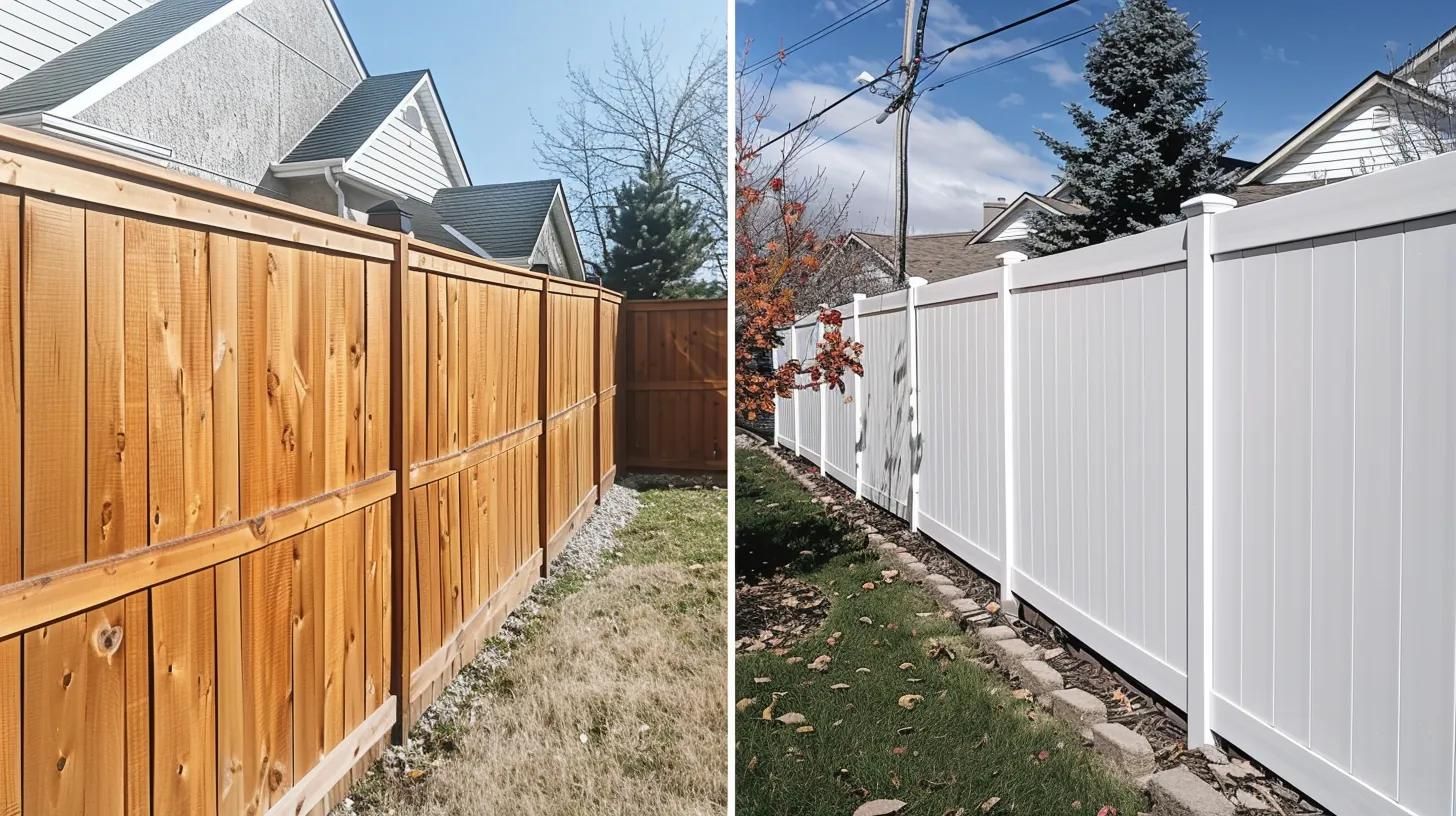
Cedar's wood grain creates a warmth vinyl can't replicate. Each board has unique patterns like knots, color variations, and natural texture. When stained, cedar takes on rich tones: honey gold, deep mahogany, and weathered gray.
At Down to Earth Fence, we've installed cedar fences in Cumming neighborhoods where HOAs require natural materials. The aesthetic fits traditional Southern architecture better than vinyl's uniform appearance.
Cedar also ages gracefully. Even without stain, it develops a silver-gray patina that many homeowners prefer over the original reddish-brown.
15-25 Year Lifespan in Georgia's Climate
How long will a cedarwood fence last in Georgia? The University of Georgia College of Agricultural & Environmental Sciences reports that properly maintained cedar fencing can last
15-25 years in humid climates. Our experience in Georgia confirms this.
Cedar contains natural oils (thujaplicins) that resist rot and insect damage. These oils repel termites, carpenter ants, and wood-boring beetles—common threats in North Georgia.
We've inspected 25-year-old cedar fences in Forsyth County that still have solid posts and intact boards. The key: regular staining and prompt repair of damaged sections. Without maintenance, expect 12-15 years before significant rot appears.
Maintenance Requirements (Staining, Sealing)
Cedar needs attention to reach its 25-year potential.
Year 1: Apply stain or sealant within 6 months of installation. This prevents UV damage and moisture penetration.
Years 2-5: Clean annually with a garden hose and mild detergent. Restain every 3-5 years depending on sun exposure.
Years 6-20: Continue the 3-5-year staining cycle. Replace individual boards as needed (typically 5-10% of boards over 20 years).
Total maintenance time: 4-6 hours per year for a 100-foot fence.
How Cedar Handles Georgia's Humidity and Heat
According to Georgia Climate Control, Georgia's summer humidity often
exceeds 70% —conditions that would destroy untreated pine in 5 years. Cedar thrives.
The natural decay resistance of cedar comes from extractives in the heartwood. These compounds prevent fungal growth even in constant moisture.
We've installed cedar fences in low-lying Cumming properties where morning dew saturates the wood daily. With proper drainage (6-inch ground clearance), these fences show minimal rot after 15 years.
Heat is less of a concern. Cedar remains dimensionally stable in 95°F+ temperatures. Unlike vinyl, it won't warp or sag in direct sunlight.
Vinyl Fencing: Benefits and Drawbacks for Georgia
Low Maintenance (No Staining Required)
Vinyl's biggest advantage: you'll never stain it.
Dirt, pollen, and mildew wash off with a garden hose. For stubborn stains, use a soft brush and mild soap. Total annual maintenance: 1-2 hours for a 100-foot fence.
At Down to Earth Fence, we recommend vinyl to clients who travel frequently or don't want weekend maintenance projects. It's the "install and forget" option.
Explore our
vinyl fencing options to see styles that fit Georgia homes.
20-25 Year Lifespan
According to
industry research , quality vinyl fences with UV inhibitors last 20-25 years in Georgia's climate. The material doesn't rot, rust, or attract insects.
Lifespan depends on UV inhibitors in the vinyl formula. Low-quality vinyl without UV inhibitors fades and cracks within 10 years. Premium vinyl (virgin PVC with titanium dioxide) maintains color and strength for two decades.
We've seen 20-year-old vinyl fences in Cumming that still look new. The color hasn't faded. The panels haven't cracked. The posts remain plumb.
Appearance Limitations (No Natural Wood Look)
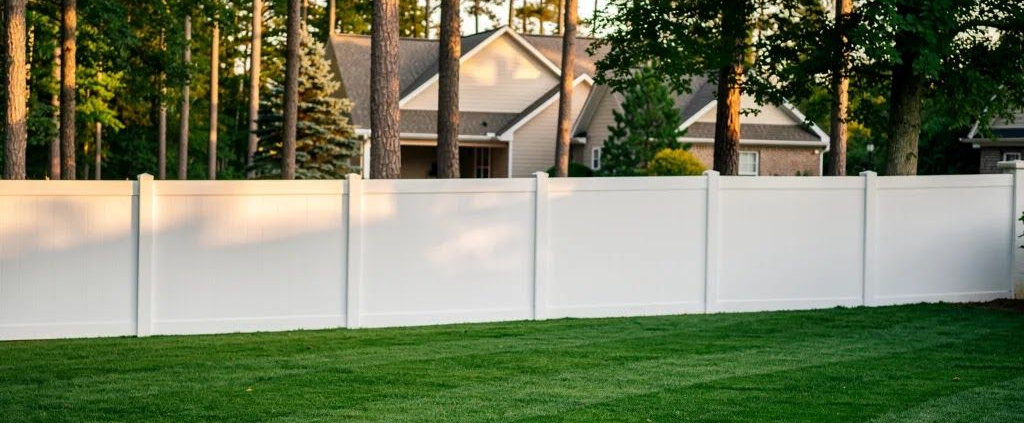
Vinyl can't replicate wood grain authenticity. Even "wood-textured" vinyl looks synthetic up close.
Color options are limited: white, tan, beige, gray. You can't change the color later—vinyl doesn't accept paint or stain.
For homeowners who want a natural aesthetic, vinyl feels too modern or sterile. It works better with contemporary architecture than traditional Southern homes.
For
7 reasons to choose vinyl fencing , including durability and versatility, see our detailed comparison guide.
How Vinyl Performs in Georgia's Temperature Swings
Vinyl expands and contracts with temperature changes. In Georgia, that means:
- Summer (95°F): Vinyl expands. Poorly installed fences sag or buckle.
- Winter (20°F): Vinyl contracts. Panels can crack if they're too tight in the rails.
Professional installation accounts for this. We leave 1/4-inch expansion gaps and use flexible fasteners.
Extreme heat (100°F+) can warp low-quality vinyl. We've replaced vinyl fences in Cumming that faced west and received 8+ hours of direct sun. The panels bowed within 5 years.
Premium vinyl with UV stabilizers handles Georgia heat better. Expect minimal warping if you choose quality materials.
Maintenance: Cedar vs Vinyl Over 20 Years
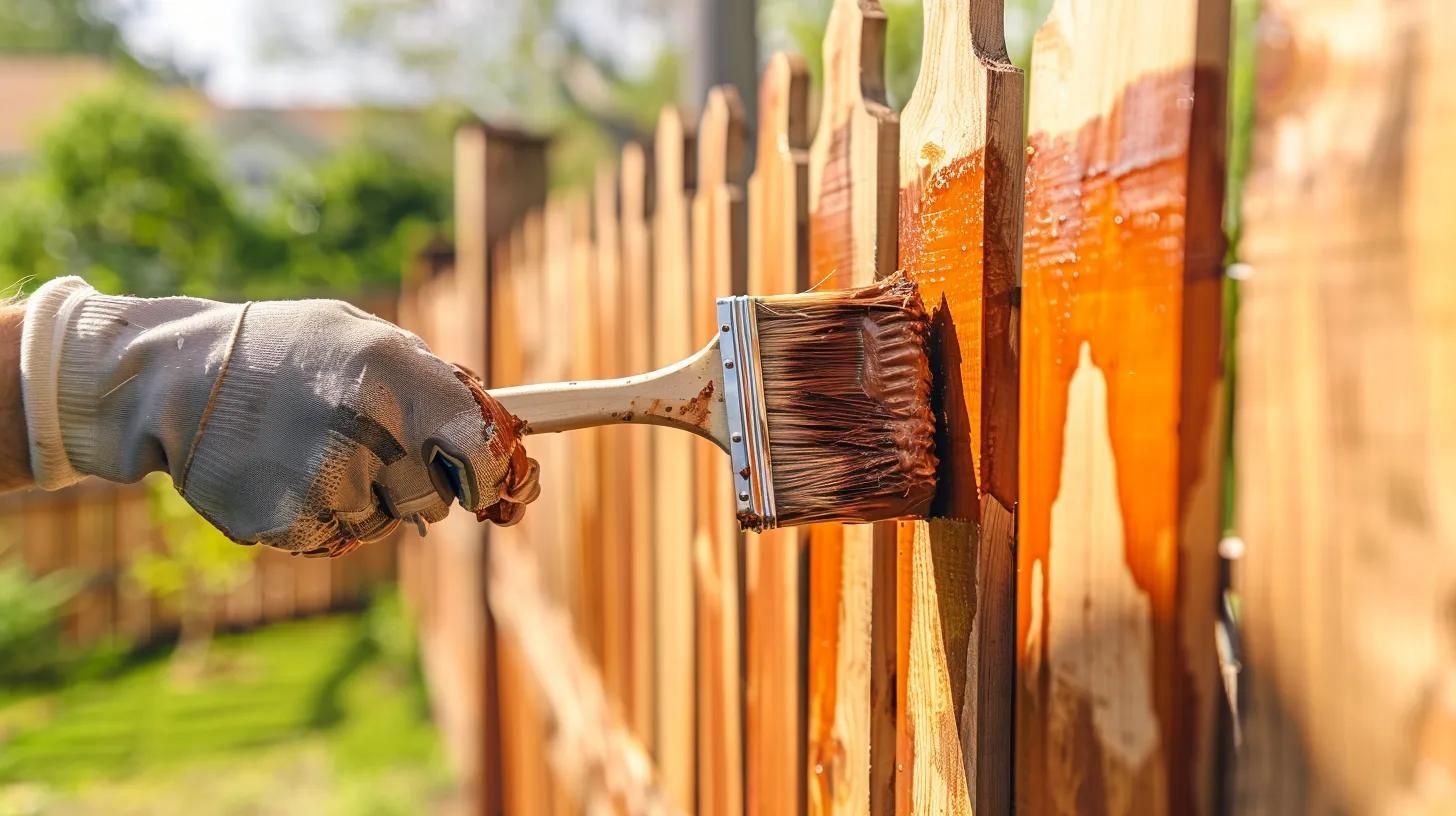
Cedar: Annual Cleaning, Staining Every 3-5 Years
Do cedar fences turn gray? Yes, without stain.
UV rays break down lignin (the compound that gives wood its color). Within 6-12 months, unstained cedar turns silver-gray.
This isn't rot—it's cosmetic. Many homeowners prefer the weathered look. If you want to preserve the original color, stain within 6 months of installation.
20-year maintenance schedule:
- Years 1-5: Stain once (year 1), clean annually
- Years 6-10: Restain (year 6), clean annually
- Years 11-15: Restain (year 11), replace 3-5 boards
- Years 16-20: Restain (year 16), replace 5-10 boards
Total time over 20 years: 80-120 hours.
Vinyl: Occasional Washing, No Staining
Vinyl maintenance is minimal.
20-year maintenance schedule:
- Years 1-20: Wash 1-2x per year, replace 1-2 panels (if damaged)
Total time over 20 years: 20-40 hours. The time savings matter. Over 20 years, cedar requires 80-120 hours of maintenance. Vinyl requires 20-40 hours.
Which Fence Is Right for Your Georgia Home?
At Down to Earth Fence, we treat every client like family. That means taking the time to understand your specific needs, walking your property with you, and providing honest recommendations—even if that means suggesting a less expensive option.
Choose Cedar If...
You want natural beauty and don't mind maintenance.
Cedar is ideal when:
- You prefer authentic wood grain over synthetic materials
- You're willing to stain every 3-5 years
- You enjoy DIY projects and weekend maintenance
- You want the option to change fence color with different stains
- You live in a traditional neighborhood where wood fences are common
At Down to Earth Fence, we recommend cedar for homeowners who view their fence as part of their landscape design—not just a property boundary.
Choose Vinyl If...
You want low maintenance and consistent appearance. Vinyl is ideal when:
- You don't want to stain or seal your fence
- You prefer a clean, modern aesthetic
- You travel frequently or have limited time for home maintenance
- You live in a contemporary subdivision
- You want consistent color that won't fade or change
We recommend vinyl for busy professionals, retirees, and anyone who wants a "set it and forget it" fence.
Climate Considerations for Cumming, GA
Both materials handle Forsyth County's climate well, but with differences.
Humidity (70-90% in summer):
- Cedar: Excellent resistance due to natural oils
- Vinyl: Excellent resistance (non-porous material)
Heat (95°F+ in July-August):
- Cedar: Stable, no warping
- Vinyl: Can warp if low-quality or poorly installed
Temperature swings (winter lows around 20°F to summer highs above 95°F):
- Cedar: Minimal expansion/contraction
- Vinyl: Expands/contracts 1/4 inch per 10 feet
Rain and storms:
- Cedar: Needs 6-inch ground clearance to prevent rot
- Vinyl: Unaffected by moisture
For professional installation by an experienced fence company in Cumming, GA, contact Down to Earth Fence for a consultation.
Installation Requirements in Cumming, GA
Forsyth County Permits (Same for Both)
Both cedar and vinyl require building permits in Forsyth County.
Permit requirements:
- Fences over 6 feet tall
- Fences within 10 feet of property lines
- Fences in flood zones
For current regulations, check Forsyth County fence permit requirements before starting your project.
HOA Restrictions (Cedar vs Vinyl Approval Rates)
Homeowners associations in Cumming have different rules for fence materials.
Cedar approval: Most HOAs in Cumming allow cedar. Some require specific stain colors (natural, cedar tone, or gray).
Vinyl approval: Many HOAs allow vinyl, though some restrict it to backyard only or require specific colors (white or tan).
Always submit your fence plan to your HOA before purchasing materials.
Best Installation Season
Spring (March-May): Ideal for both materials. Moderate temperatures, lower humidity.
Summer (June-August): Avoid if possible. High heat makes installation uncomfortable.
Fall (September-November): Second-best option. Cooler weather, less rain than spring.
Winter (December-February): Possible but not ideal. Ground can be hard to dig.
At Down to Earth Fence, 60% of our installations happen in spring and fall.
Frequently Asked Questions
Which lasts longer in Georgia: cedar or vinyl?
Cedar lasts 15-25 years with maintenance. Vinyl lasts 20-25 years with minimal care. Both perform well in Georgia's climate.
Do cedar fences require more maintenance than vinyl?
Yes. Cedar needs staining every 3-5 years and annual cleaning. Vinyl needs washing 1-2 times per year. Over 20 years, cedar requires 80-120 hours of maintenance vs. 20-40 hours for vinyl.
Which fence adds more home value?
Both add value. Cedar appeals more in traditional neighborhoods. Vinyl appeals in modern subdivisions. Well-maintained cedar often adds slightly more value because buyers perceive it as premium.
Can I install cedar or vinyl myself?
Cedar is DIY-friendly with basic carpentry skills. Expect 20-30 hours for 100 feet. Vinyl requires specialized tools and precise measurements. We recommend professional installation for vinyl.
Do cedar fences turn gray?
Yes, within 6-12 months without stain. This is cosmetic, not structural. Many homeowners prefer the weathered gray look.
Conclusion
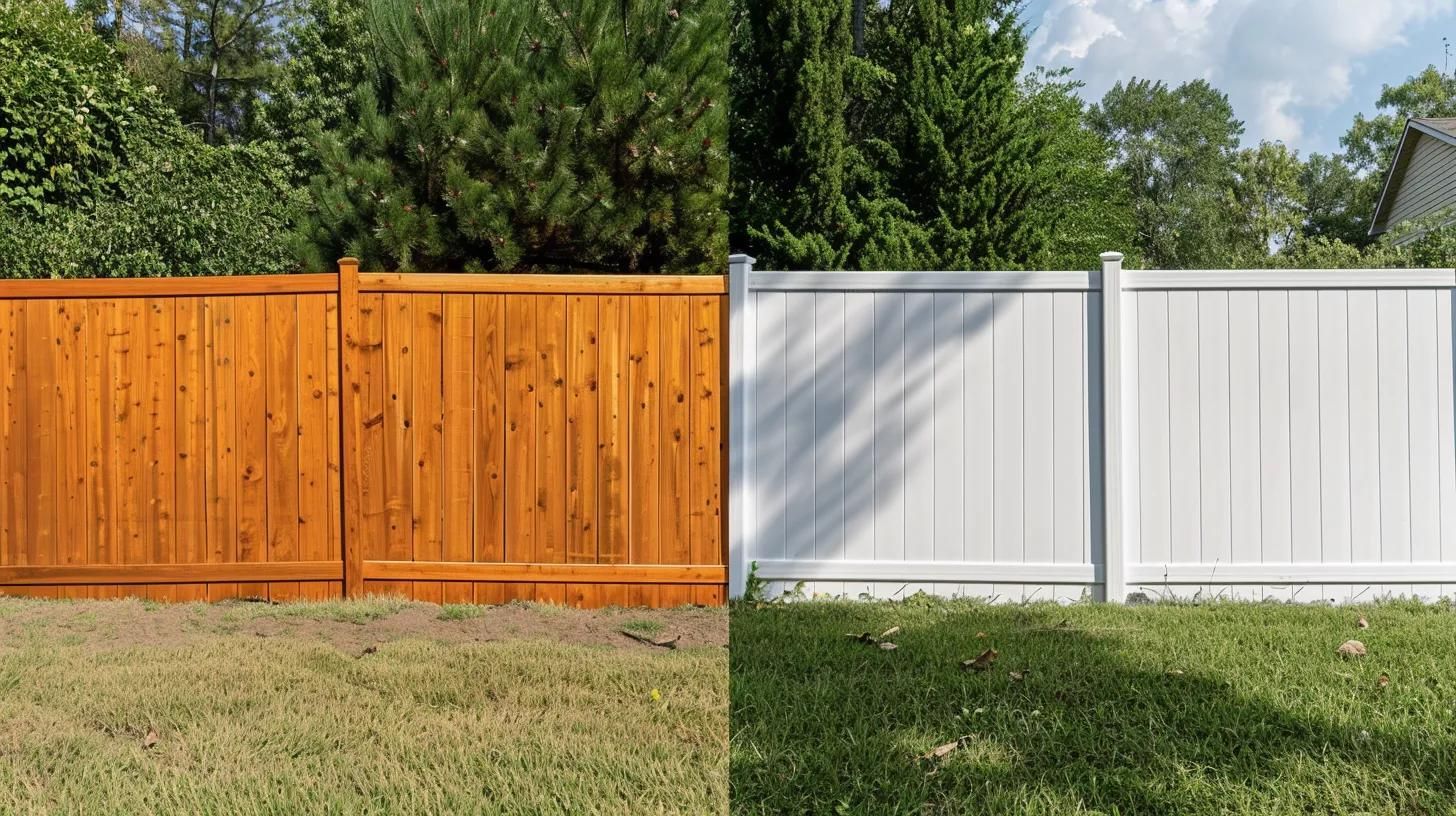
Cedar and vinyl both outlast cheaper fence materials in Georgia's climate. Your choice comes down to priorities.
Choose cedar if you want natural beauty and don't mind staining every few years. You'll enjoy authentic wood grain that ages gracefully.
Choose vinyl if you want minimal maintenance and consistent appearance. You'll save 40-80 hours of maintenance over 20 years.
Both materials handle Cumming's humidity, heat, and temperature swings. Both last 20+ years. Both add resale value.
Whether you choose cedar or vinyl, our experienced team brings meticulous attention to detail to every installation, ensuring your fence is built to last and enhances your property's value. The "best" fence is the one that fits your lifestyle, budget, and aesthetic preferences.
Ready to get started? Get a free quote for cedar or vinyl fencing from Down to Earth Fence. We'll assess your property, explain your options, and provide a detailed quote with no obligation.
Request a free quote or call us at 770-869-2651 to schedule a consultation.