What to Know Before You Hire a Local Fence Company
Somewhere out there, a homeowner is three weeks past their promised installation date, calling a number that goes to voicemail. The crew showed up once, dug a few post holes, and disappeared. The deposit is gone. The yard looks like something went wrong in a geology class.
We started Down to Earth Fence because we believe North Georgia homeowners deserve better than that.
This happens more often than the fence industry would like to admit. Picking a fence company sounds straightforward — you get a few quotes, pick someone, and they build the fence. But there are a dozen points in that process where things go sideways, and most of them are completely avoidable if you know what to look for going in.
Down to Earth Fence has been installing fences in Cumming, and across North Georgia since 2022. We've heard these stories firsthand, usually from homeowners who found us after a bad experience with someone else. This guide is what we wish more people would read before they start making calls.
TL;DR — What to Know Before You Hire a Local Fence Company
- Always ask for a certificate of insurance before any work begins — general liability and workers' comp both
- Get the estimate in writing with materials, labor, permits, and a timeline
- A legitimate fence company handles the permit process as part of the job, not yours to figure out
- A deposit of 25–30% is normal; requests for 50%+ upfront are a red flag
- "Local" means more than a local phone number — ask who's actually doing the work
- No contractor should give you a firm price without first visiting your property
What "Local" Actually Means for a Fence Company
A local phone number doesn't mean much anymore. National home services companies and lead-generation platforms have figured out how to look local while operating from call centers hundreds of miles away. They take your information, sell it to whoever is available in your area that week, and collect a referral fee. The person showing up at your yard may have never worked in Forsyth County before. They may not even have worked in Georgia before.
A genuinely local
fence company in Cumming is different in ways that show up at every stage of the job.
They've installed fences in your exact soil conditions. North Georgia clay behaves differently from sandy coastal soil, and a crew that has spent years digging post holes in this area knows that firsthand. They know which municipalities in Forsyth and Cherokee counties have stricter permit requirements. They know which HOA neighborhoods require architectural approval before a permit is even submitted. None of that knowledge comes from an onboarding manual.
There's also the accountability piece. A local company has a reputation they've built over time. Their crews live in the area. Their owner might go to your kids' school or shop at the same grocery store. Bad work follows a local company in ways it doesn't follow a national operation that moves from market to market. That's a genuine incentive to do the job right, and it's not something you can fake.
We serve Cumming, Dawsonville, Johns Creek, Milton, Ball Ground, Canton, and most of North Georgia.
What to Ask Before You Sign Anything
Most homeowners focus almost entirely on price. That's understandable. But price is also the thing that's easiest to manipulate, and the companies that win on price alone are often the ones cutting corners somewhere else. Here's what else to ask.
Are You Licensed and Insured?
Georgia doesn't issue a single statewide fence contractor license, but local business licenses and contractor registrations vary by county and municipality, and requirements depend on the scope of the project. The licensing question matters, but insurance matters more.
Ask for a certificate of insurance before any work begins. You want to see general liability coverage and workers' compensation. General liability covers property damage. Workers' comp covers crew members if someone gets hurt on your property. Without workers' comp, an injured worker can potentially pursue a claim against your homeowner's insurance. That's not a hypothetical risk.
A legitimate company hands over that certificate without hesitation. If a contractor stalls, deflects, or tells you it isn't necessary, that tells you exactly what you need to know.
Who's Actually Doing the Work?
This question surprises people, but it's one of the more important ones. Ask whether the installers are direct employees of the company or independent subcontractors. Both arrangements exist in this industry, and neither is automatically bad. What matters is whether the company stands behind whoever shows up.
Ask whether the person you've been talking to will be present during the installation. For larger or more complicated jobs, ask whether there's a project manager or site supervisor on-site. A company that sells jobs and then disappears until the invoice is due is organized in a way that doesn't serve you.
What Does the Permit Process Look Like?
Many fence installations in Cumming require a permit, particularly privacy fences above a certain height or any structure near a property line or easement. HOA communities often have their own approval layer on top of the county process. A good fence company handles all of this as part of the job, not as something you figure out yourself after signing.
Georgia 811 also requires that utility lines be located and marked before any digging begins. Visit
georgia811.com to understand the process. A professional crew calls this in as a matter of routine. A less professional one might skip it and hope nothing goes wrong.
If a contractor quotes you a job without mentioning permits or utility marking, ask specifically about both. The answer will tell you a lot.
What Happens If Something Goes Wrong After Installation?
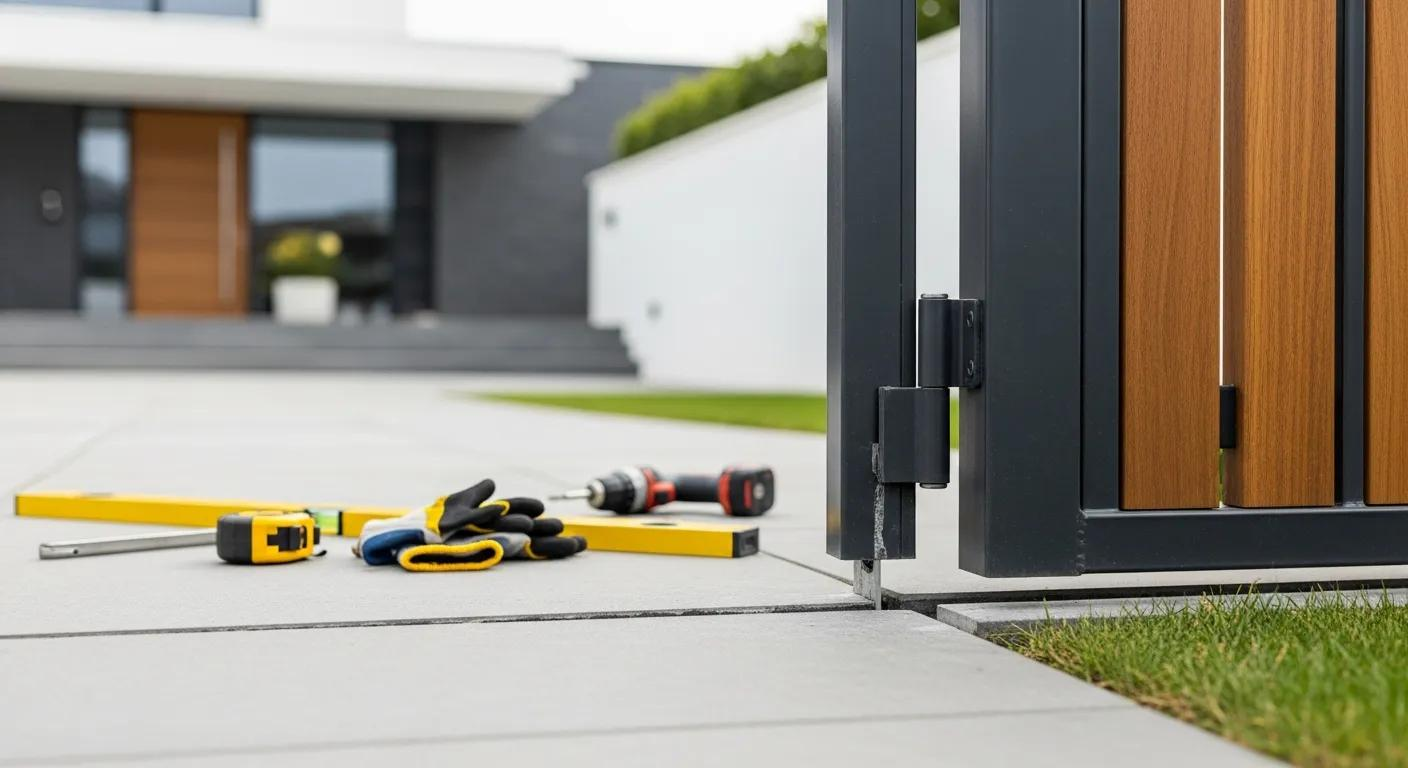
A gate that won't latch properly six months after installation. A post that shifted after a hard freeze.
A board that warped faster than it should have because the wrong lumber grade was used. These things happen, even with good companies. What separates good companies from bad ones is what happens next.
Ask about the warranty on labor separately from the warranty on materials. Ask what the actual process looks like if you call with a problem. "We stand behind our work" is something every company says. Ask them to describe specifically what standing behind their work means in practice.
Can I See Examples of Your Work Near My Area?
Portfolio photos on a website are useful but easy to curate. Ask whether they have recent jobs in your neighborhood or general area. A local company with years of work in Forsyth County should be able to point to specific subdivisions or streets without hesitation. If they can't, ask why.
The Estimate Process and What It Should Tell You
A professional fence estimate starts with a site visit. Not a phone call, not a satellite image, not a square footage calculation from your address. A site visit.
The crew needs to see the terrain. Slopes and drainage affect how posts are set and how long the fence will stay plumb. Property line markers need to be confirmed. Existing structures, trees, or grade changes near the fence line all affect the quote. A contractor who gives you a firm price without visiting the property is estimating, not quoting, and that number almost always changes when they actually show up.
Get everything in writing. The written estimate should include materials by type and quantity, labor, permit fees, a project timeline, and payment terms. If a contractor resists putting any of that in writing, walk away. A written estimate protects both parties. A contractor who avoids it is usually doing so for a reason that benefits them.
Compare quotes carefully. A significantly lower bid often reflects something missing from the scope, lower-grade materials, or a crew that's rushing through more jobs than they can handle properly. It's worth asking specifically what accounts for the difference when two quotes are far apart.
Materials, Georgia Soil, and Why Both Matter More Than Most People Think
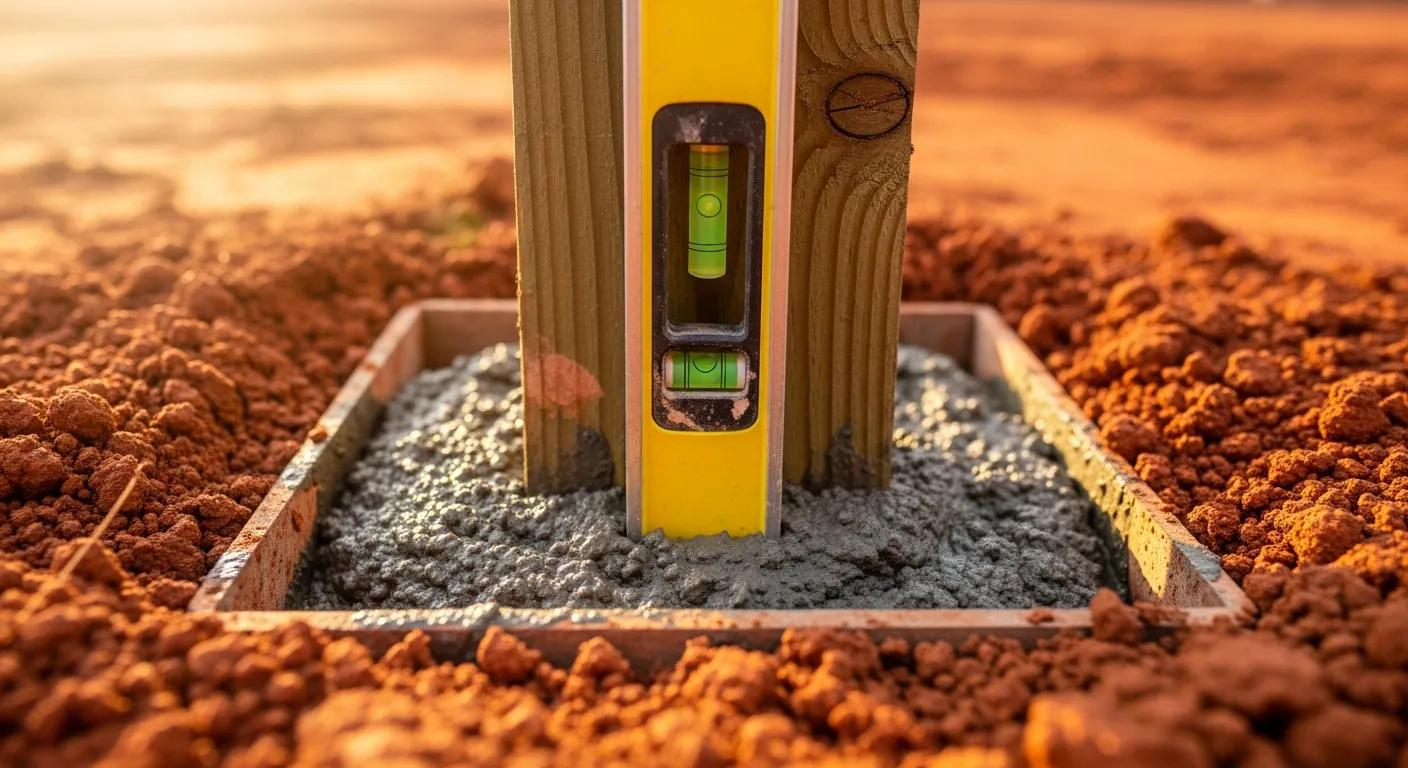
The material conversation usually happens around aesthetics and budget. What you want it to look like, what you can spend. Both are valid starting points. But in North Georgia, the soil and climate add a third factor that changes the math on some of those choices.
Wood
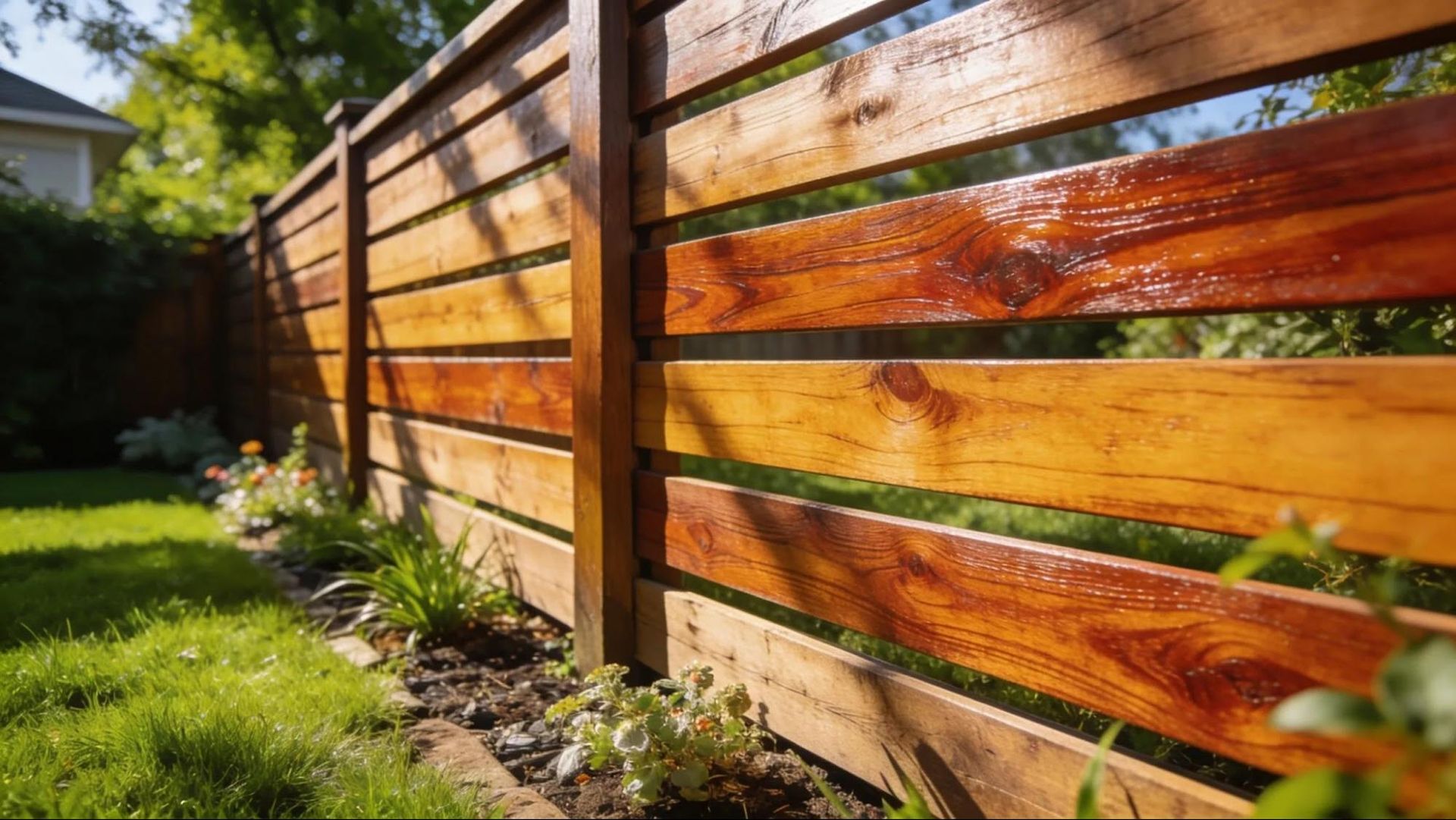
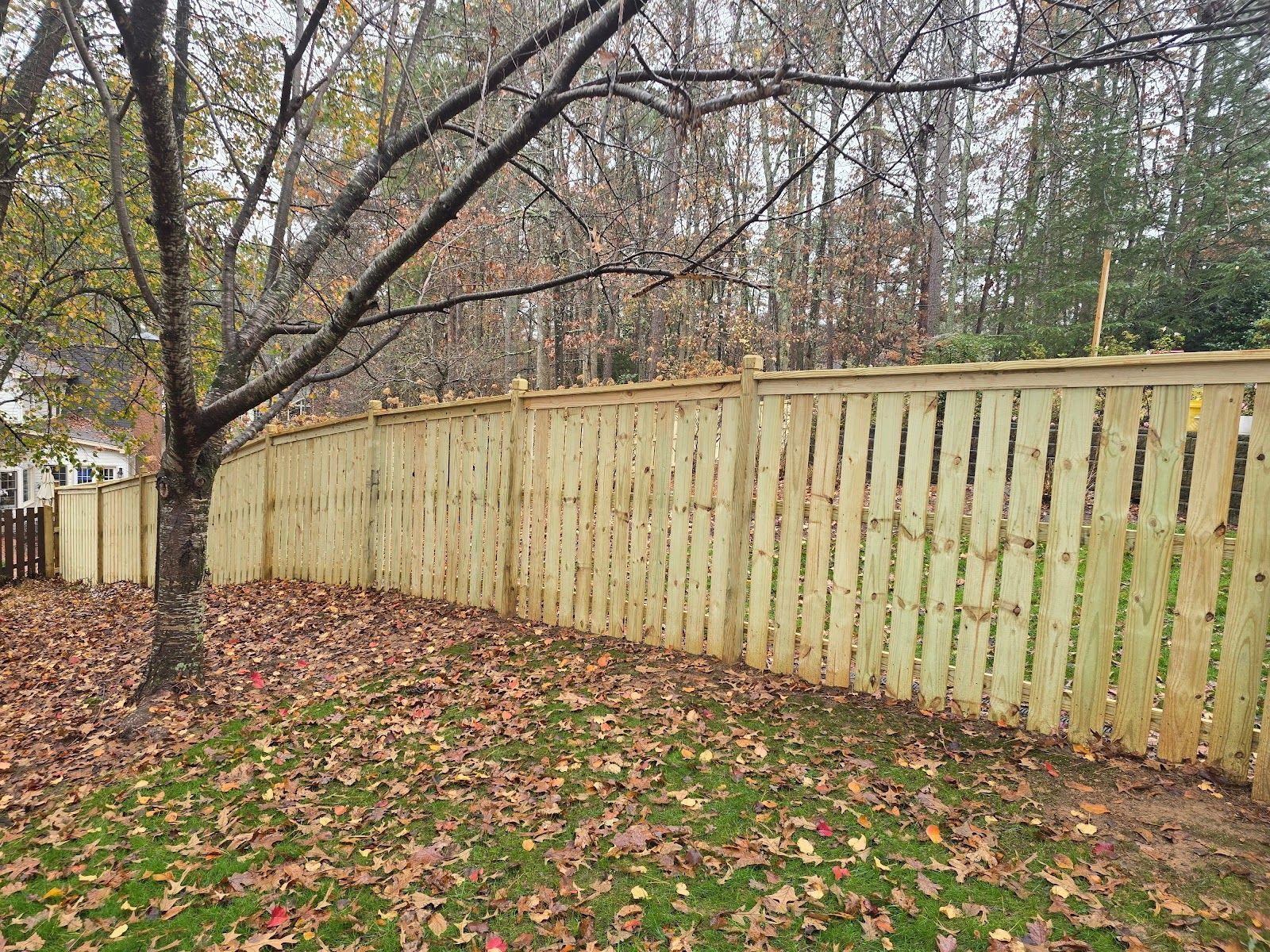
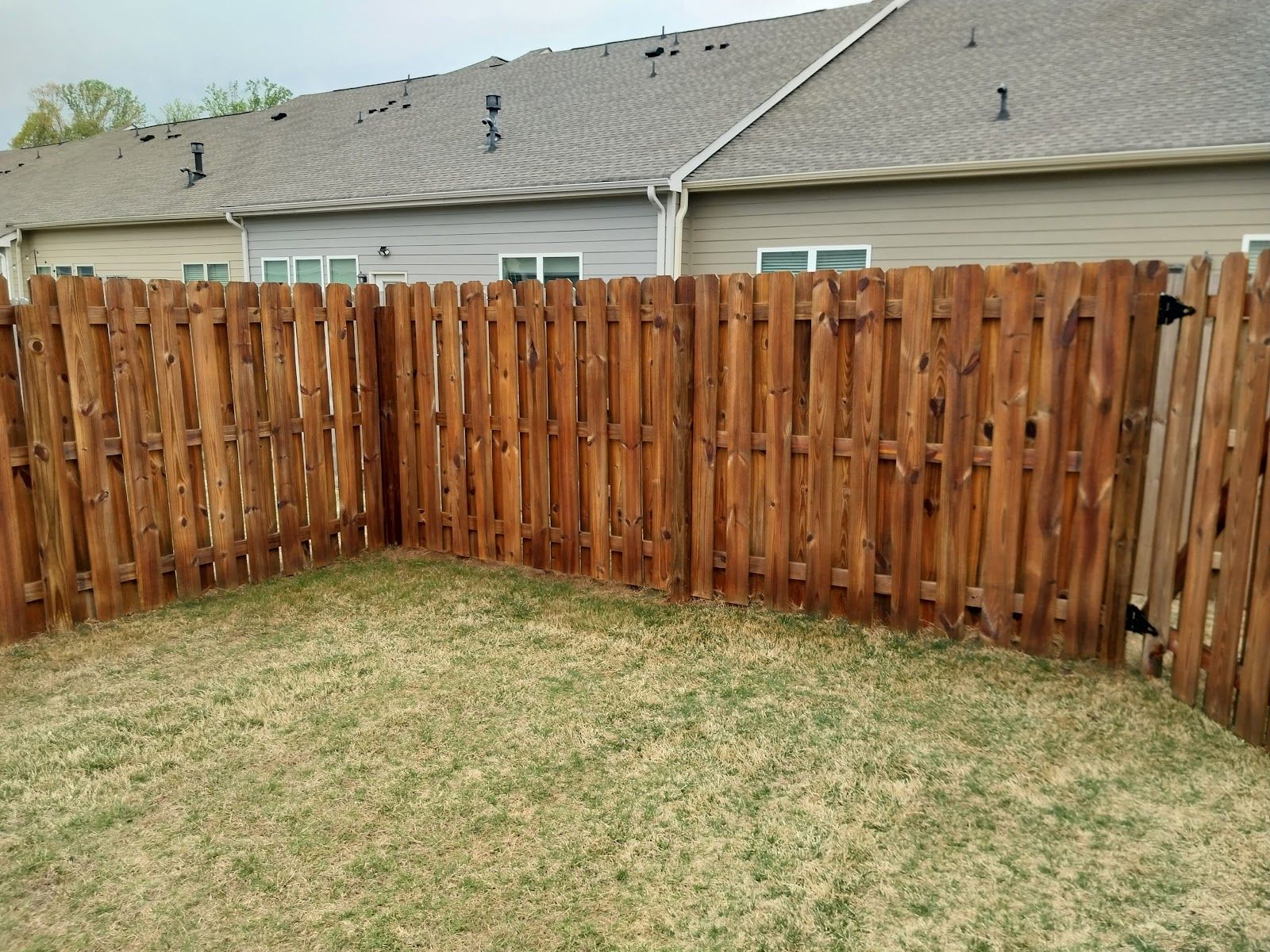
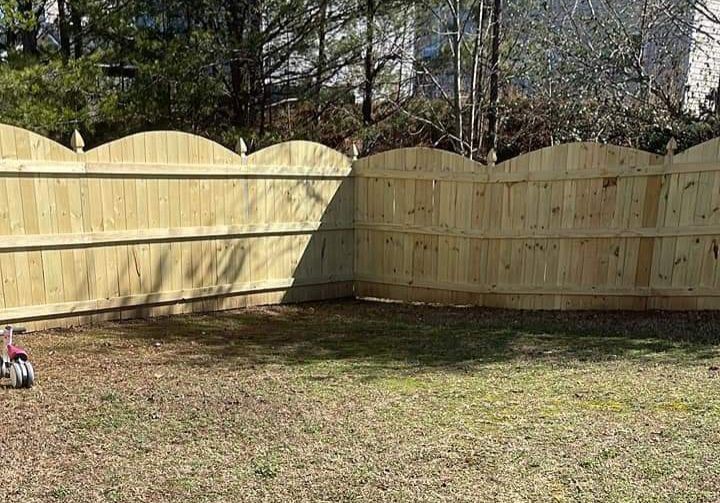
Wood fences are popular here, and for good reason. They look right in residential neighborhoods, they're customizable, and they work well with the landscape. The problem is that Georgia's heat, humidity, and clay soil create conditions that wear on wood faster than in drier climates.
The posts are the critical part. Wood fence boards can be replaced. Posts are structural, and if they fail, the whole section fails. Pressure-treated posts, set to the correct depth for Georgia clay, with proper drainage around the base, can last for decades. Posts that were rushed, set shallow, or left to sit in standing moisture will rot in a fraction of that time.
The grade of lumber matters too. Construction-grade and premium-grade treated lumber are not the same thing, and the difference shows up over five to ten years of Georgia weather.
At Down To Earth Fence, we also offer professional painting and staining for wood fences, which extends their lifespan and keeps them looking sharp through Georgia's heat and humidity. If you're investing in a wood fence, protecting the finish is worth doing right.
Vinyl
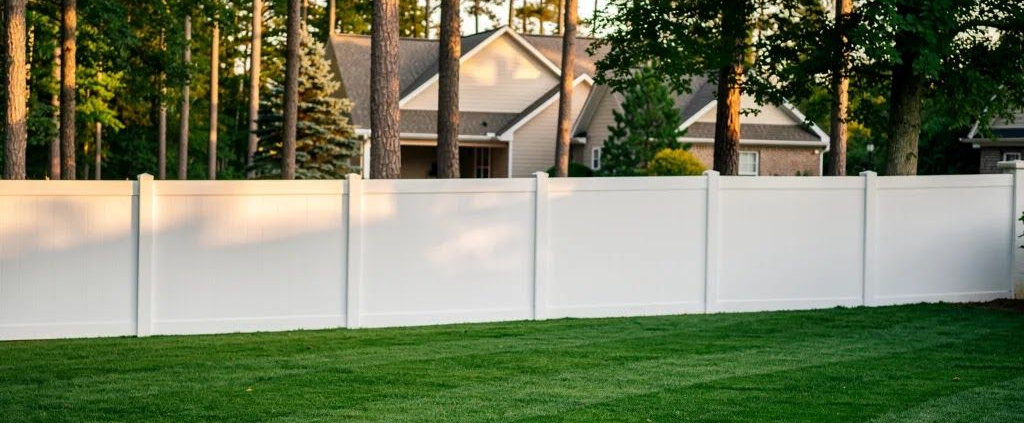
Vinyl requires very little ongoing maintenance, which is genuinely appealing if you don't want to think about your fence every spring. It doesn't rot or rust, and insects don't affect it. The tradeoff is cost upfront, and quality varies considerably between manufacturers.
Cheap vinyl can yellow, become brittle, and crack under UV exposure over time. Better grades hold their color and structural integrity significantly longer. A fence company that sells vinyl should be able to tell you specifically what grade and manufacturer they use and why.
Aluminum
Aluminum holds up exceptionally well over time with almost no maintenance. It doesn't rust the way steel does, it handles Georgia's weather without much complaint, and it's a strong choice for decorative perimeter fencing or pool enclosures. The cost is higher than wood or standard vinyl, but the long-term maintenance cost is close to nothing.
Aluminum isn't ideal for privacy applications because of the spacing between rails. For yards where privacy is the main goal, it's usually not the right fit. But for property definition and curb appeal, it's a strong option.
Chain Link
Chain link is the lowest-cost option and one of the most durable. It requires virtually no maintenance, holds up well in Georgia's climate, and is a practical choice for property boundaries, pet containment, and commercial applications. It isn't a privacy solution, but for utility and security purposes, it's hard to beat. Down To Earth Fence installs residential and commercial chain links throughout North Georgia.
For a general national baseline on fence material costs,
HomeGuide's fence installation cost guide is a reasonable reference point. Actual pricing in Cumming and North Georgia varies based on site conditions, material availability, and project scope. Any specific estimate should come from a company that has seen your yard.
Red Flags That Should Stop You Cold
These are in no particular order, but all of them are worth taking seriously.
No Written Estimate
If a contractor quotes you verbally and won't put it in writing, stop the conversation. Full stop.
A Very Large Upfront Deposit
A deposit to cover materials is standard. Twenty-five to thirty percent of the total project cost is a reasonable range. Requests for fifty percent or more before any work starts are unusual, and that pattern is consistent with contractors who collect deposits and underdeliver.
Can't Verify A Physical Address Or Local Presence
Google the company name. Look for a real address, not just a phone number. Check when the business was registered. Check review dates. A company that appeared two months ago with a handful of generic reviews is not the same thing as a company with years of documented work in the area.
Pressure To Sign Immediately
Legitimate fence companies don't run out of quotes. If someone is telling you the price goes up tomorrow or they can only hold the slot for an hour, that pressure is manufactured. It's a closing tactic, not a real constraint.
Vague or dismissive answers about permits
If a contractor says permits aren't required when you know they likely are, or suggests that handling permits is your responsibility, or implies that pulling permits just slows things down, pay attention to that. It tells you how they operate across the board, not just on permits.
No Mention Of Utility Marking
Any experienced contractor talks about Georgia 811 as a matter of course. If it never comes up, ask. If they dismiss it, that's a problem.
For more on evaluating contractors before you hire, our post on
whether to hire a fencing company vs. a landscaping company goes into more detail on the evaluation process. And if you want to understand what a professional job looks like from start to finish, our
fence installation and gate services page covers the full scope of how we work.
What a Professional Installation Actually Looks Like
The Sequence Matters
Site Visit And Final Measurement
Before installation day, the crew should walk the property line with you, confirm gate placement, and verify that any underground obstacles near the fence line have been identified. Last-minute changes at this stage are far easier to accommodate than after posts are in the ground.
Permits And Utility Marking
Permits should be pulled before work starts. Utility lines should be marked by Georgia 811 before any digging begins. In some municipalities, permits are processed same-day. In others, it takes several days. A professional company builds this into the project timeline and communicates it to you clearly.
Post Holes And Setting
Post holes are dug to the correct depth for your soil type and fence height. In clay-heavy North Georgia soil, this typically means going deeper than standard tables suggest. Posts are set in concrete, checked for plumb, and allowed to cure before the rest of the fence goes up. Rushing this step is where structural problems start.
Panels, Boards, And Hardware
Once posts are set and cured, the fence goes up in order. For wood privacy fences, this means rails, then boards. For vinyl or aluminum, panels are dropped into the posts according to the manufacturer specifications. Hardware gets installed last, including any gate hardware. For customers interested in automated entry, we also handle gate automation installation as part of the same project.
Walkthrough
When the job is done, you should walk the fence line with the crew. Gates should open, close, and latch correctly. Posts should be plumb. If anything looks off, address it before the crew leaves. A company that wraps up and drives away without a walkthrough is not operating at a professional standard.
Our
fence installation and gate services page covers our specific process in more detail.
Final Thoughts
The cheapest fence company is rarely the cheapest fence. The cost of a rushed or unpermitted job, a crew that didn't know what they were doing, or a contractor who can't be reached after the check clears adds up fast. Sometimes it means tearing the fence out and starting over.
A local company that pulls permits, shows up when they said they would, gives you a written estimate, and stands behind the work after installation is worth paying for. They're not hard to find. You just have to know what to look for and ask the right questions before you commit.
Down to Earth Fence has been doing this work in Cumming and North Georgia since 2022. We're happy to come out, look at the yard, and give you an honest quote with no pressure.
Get a free estimate here, and we'll take it from there. You can also reach us directly at 770-869-2651 or info@dtefence.com.