How We Build Fences That Stand Strong Against Severe Weather Challenges
North Georgia homeowners often treat a new fence as a simple weekend upgrade. Then the first summer storm hits Forsyth County. You see the failure in every leaning privacy panel and every gate that no longer latches because the red clay shifted three inches. This environment is hostile. Standard fence installation fails here.
Building for twenty years instead of five requires mastering the hidden forces in the air and under your feet. The chemical acidity of our soil and the physics of Southern wind-loads demand a specialized engineering approach. At Down to Earth Fence, we engineer perimeters specifically for this climate. We take these challenges personally.
TL;DR — Why North Georgia Fences Fail
- Soil Issues: Red clay expands and contracts, causing "post-heave."
- Humidity: Moisture trapped in wood leads to rapid rot and warping.
- Storms: High winds require specific bracing and hardware protocols.
- The Solution: Professional-grade materials and soil-specific anchoring.
Mastering the Soil: Professional Fence Installation in Cumming, GA
The foundation of every durable fence is the soil it sits in. In North Georgia, that means dealing with Ultisols, commonly known as red clay. These soils are acidic and prone to significant volume changes based on moisture content.
Dry clay hardens like concrete and puts immense pressure on fence posts; conversely, saturated clay expands rapidly during rain cycles. This constant "push and pull" causes structural instability. Most DIY installations fail because the posts sit in shallow concrete "pills" entirely within this active soil layer. The clay expands and literally pushes the concrete plug upward. Frost heave is the technical term, but in Georgia, moisture drives the lift.
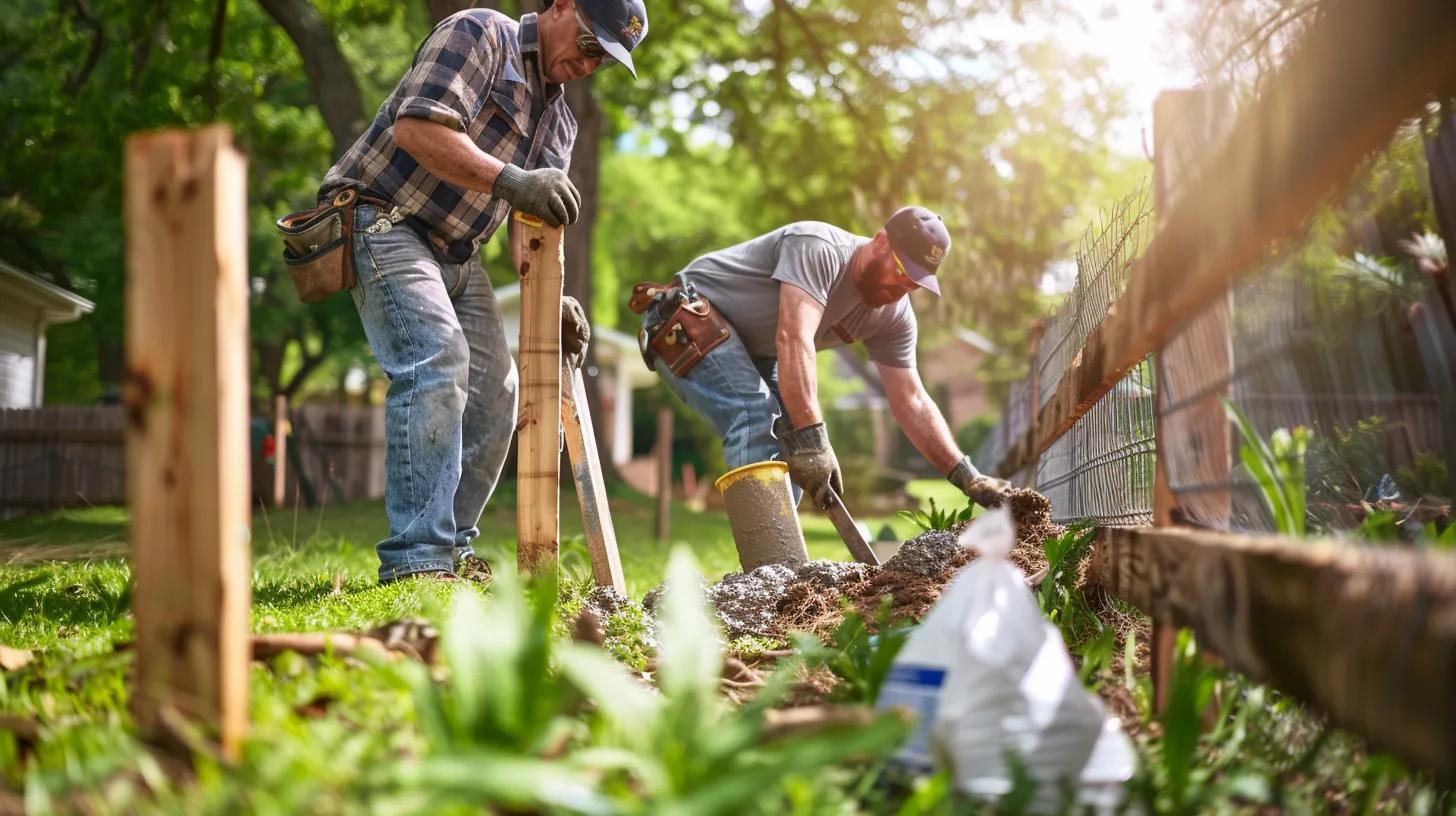
Our fence installation in Cumming, GA utilizes a deep-anchor protocol. We set posts deeper than the standard frost line. This ensures they remain anchored in stable subsoil regardless of surface clay shifts. We use a tapered concrete pour. This allows the soil to slide past the post foundation rather than gripping and lifting the structure.
The Chemistry of Red Clay and Post Decay
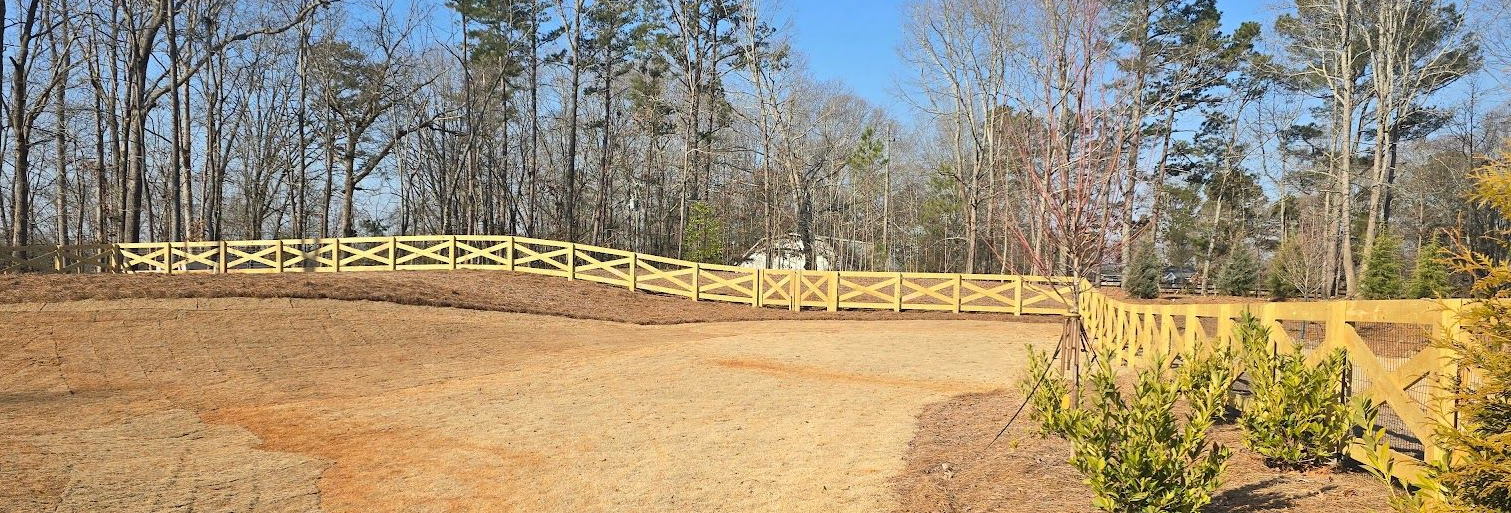
Chemistry matters as much as movement. North Georgia clay is notoriously acidic. pH levels often dip below 5.0, according to the University of Georgia (UGA) Extension. This acidity accelerates the corrosion of standard galvanized fasteners. It eats away at the chemical treatments in lower-grade pressure-treated lumber.
We account for this soil acidity during every fence installation. We use fasteners with high-micron zinc coatings. Stainless steel is used in high-contact areas. For wood fences, we specify "Ground Contact" (UC4A) rated lumber for all posts. This material contains a higher concentration of copper-based preservatives. It neutralizes the acidic environment of the Forsyth County soil.
Storm-Ready Construction: Our Protocol for High-Wind Resistance
North Georgia is no stranger to violent thunderstorms.Wind gusts in Forsyth County often topple fences with poor structural integrity.
Every fence installation is a wind-load challenge. A standard 6-foot privacy fence acts as a giant sail. During a typical Georgia summer storm, a 50-foot section of fencing experiences hundreds of pounds of lateral pressure. If the posts aren't spaced correctly or the rails aren't secured with ring-shank nails, the entire line buckles.
Our storm-ready protocol involves:
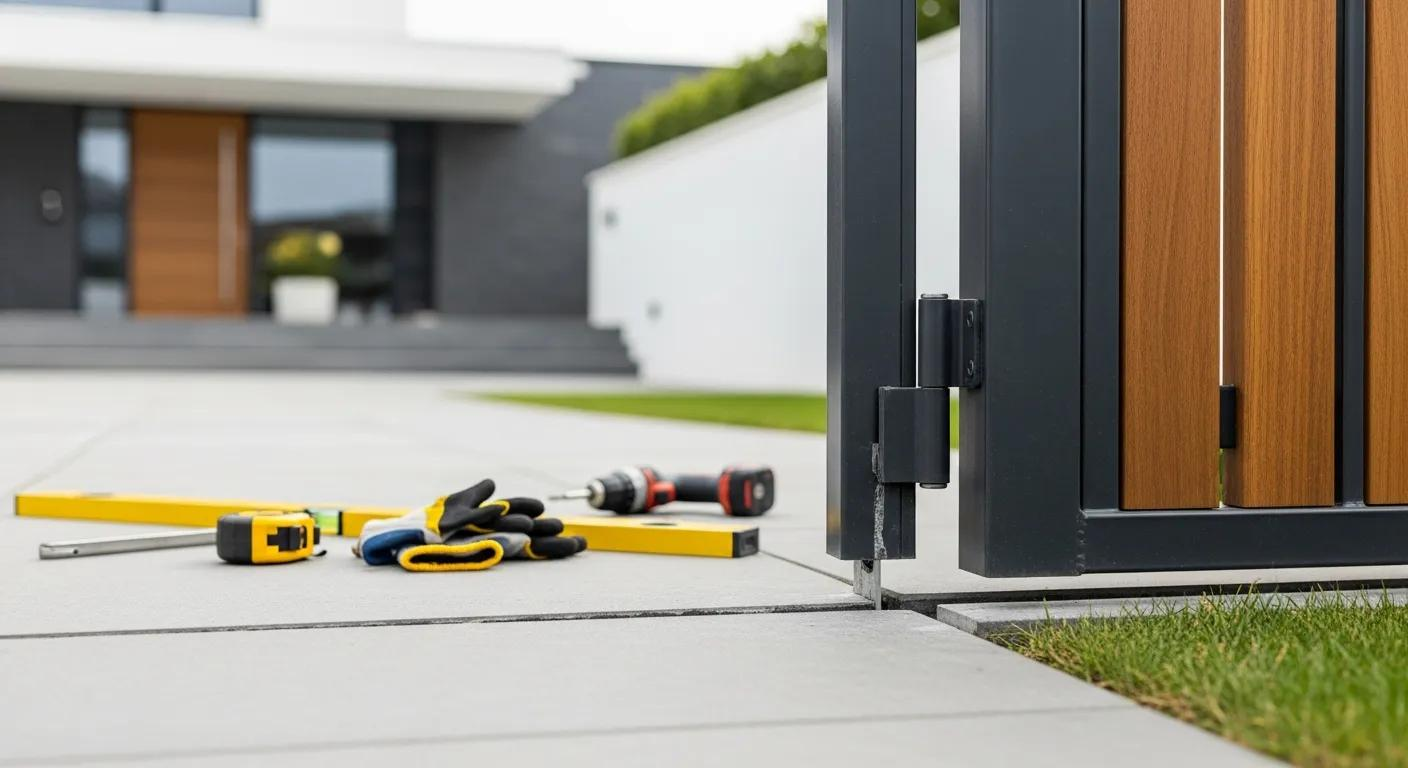
- Reinforced Gate Posts: Gates are the most vulnerable point. We use heavy-duty steel inserts to prevent sagging.
- Pressure-Rated Hardware: We avoid big-box retailers. Our hardware is rated for high-stress environments.
- Strategic Spacing: We ensure proper "breathing" gaps. This allows wind to pass through rather than acting as a solid sail.
- Triple-Rail Architecture: We mandate a three-rail system for any fence over five feet tall. This provides a middle "spine" that prevents pickets from bowing under wind pressure.
The Longevity Gap: How Professional Grade Materials Defy Georgia Humidity
Humidity is the silent killer. Moisture levels in our region create a perfect breeding ground for fungi and wood-boring insects. A DIY project might look great for six months, but the lack of professional-grade moisture barriers leads to warping by the second year.
In Cumming, GA, the relative humidity often stays above 70% for weeks. This prevents wood from ever truly drying out. Damp wood fibers separate. This leads to "checking" or deep cracks. These cracks collect more water. Rot accelerates from the inside out.
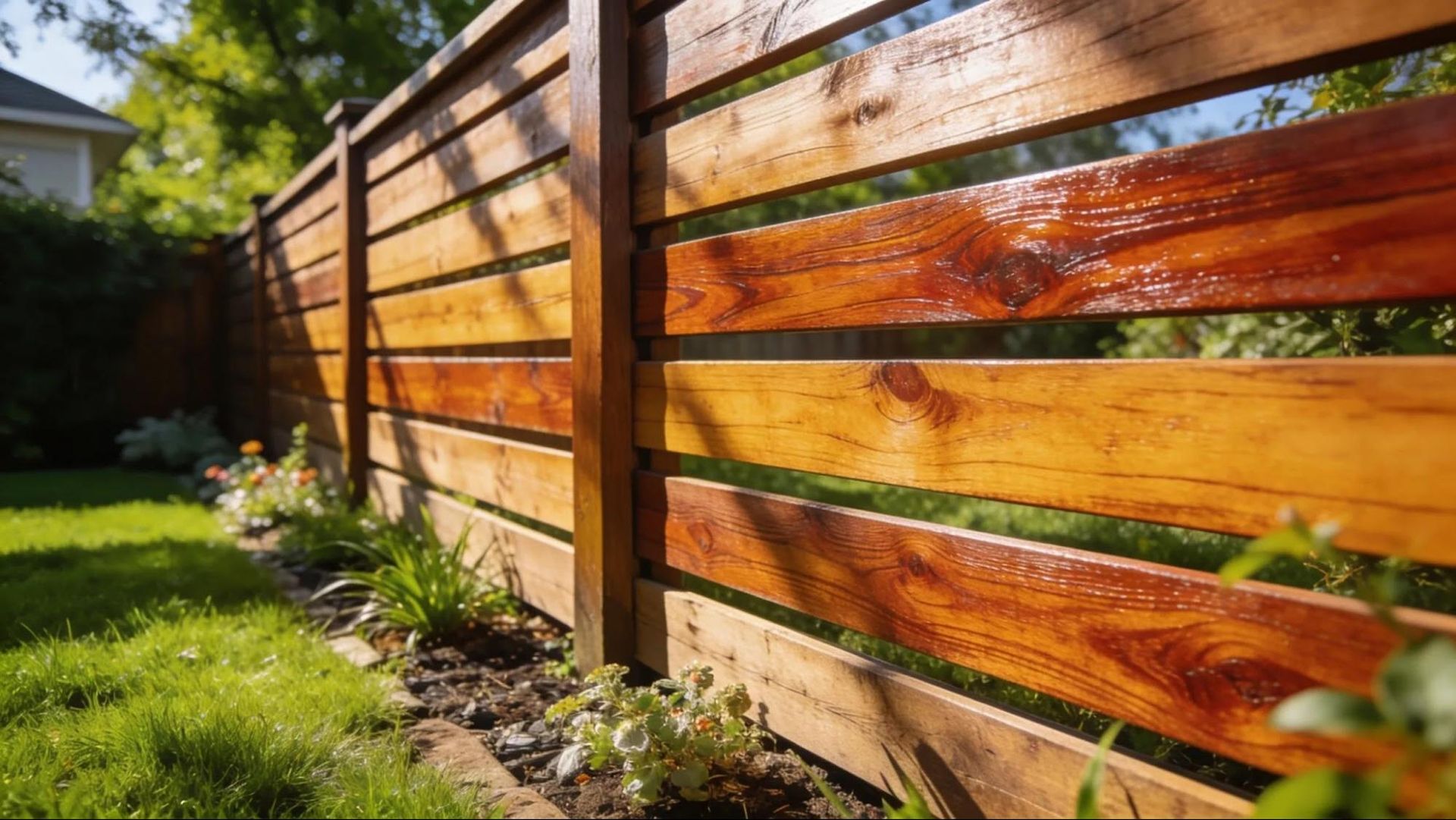
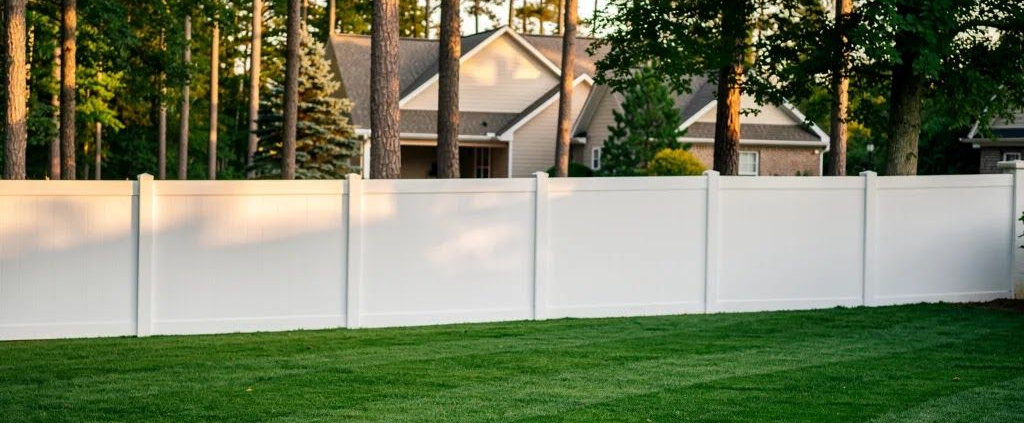
We prioritize materials with built-in UV and moisture resistance. Pressure-treated pine rated for ground contact and high-grade vinyl are our standards. We source materials that withstand the red clay, the storms, and the heat.
Wood Species Performance in the South
Not all wood is created equal. Western Red Cedar is a popular choice nationally, but it struggles in the intense heat and humidity of the Deep South. Paradoxically, high-quality Southern Yellow Pine often outperforms cedar in Georgia. It is denser. It resists the local insect population, including the Formosan subterranean termite.
Engineering for Drainage: Preventing the "Bathtub Effect"
Ignoring the slope of the yard is a common mistake in North Georgia fence installation. Our region is hilly. Water runoff is a major factor in fence longevity. If a fence is built across a natural drainage path without clearance, it acts as a dam. Water pools against the base of the pickets. This creates a "bathtub effect" that keeps the wood saturated.
We perform a site-drainage assessment before every installation. We "step" the fence panels to allow for water flow. We use gravel backfill in post holes to encourage vertical drainage away from the wood. Managing how water moves around the fence can double the lifespan of the structure.
The Role of UV Protection in the Georgia Sun
The Georgia sun is as destructive as the rain. UV rays break down lignin. This is the natural glue that holds wood fibers together. Old fences turn grey and become "fuzzy" because of this breakdown.
We recommend a high-solids oil-based stain within the first 90 days of installation for our clients in Cumming. Water-based "sealers" sit on the surface and eventually peel. Oil-based stains penetrate deep into the grain. They replace the wood's natural oils. This provides a sacrificial layer against UV damage. This is a critical step in maintaining the structural integrity of a fence installation over the long term.
Navigating the HOA Landscape in Forsyth County
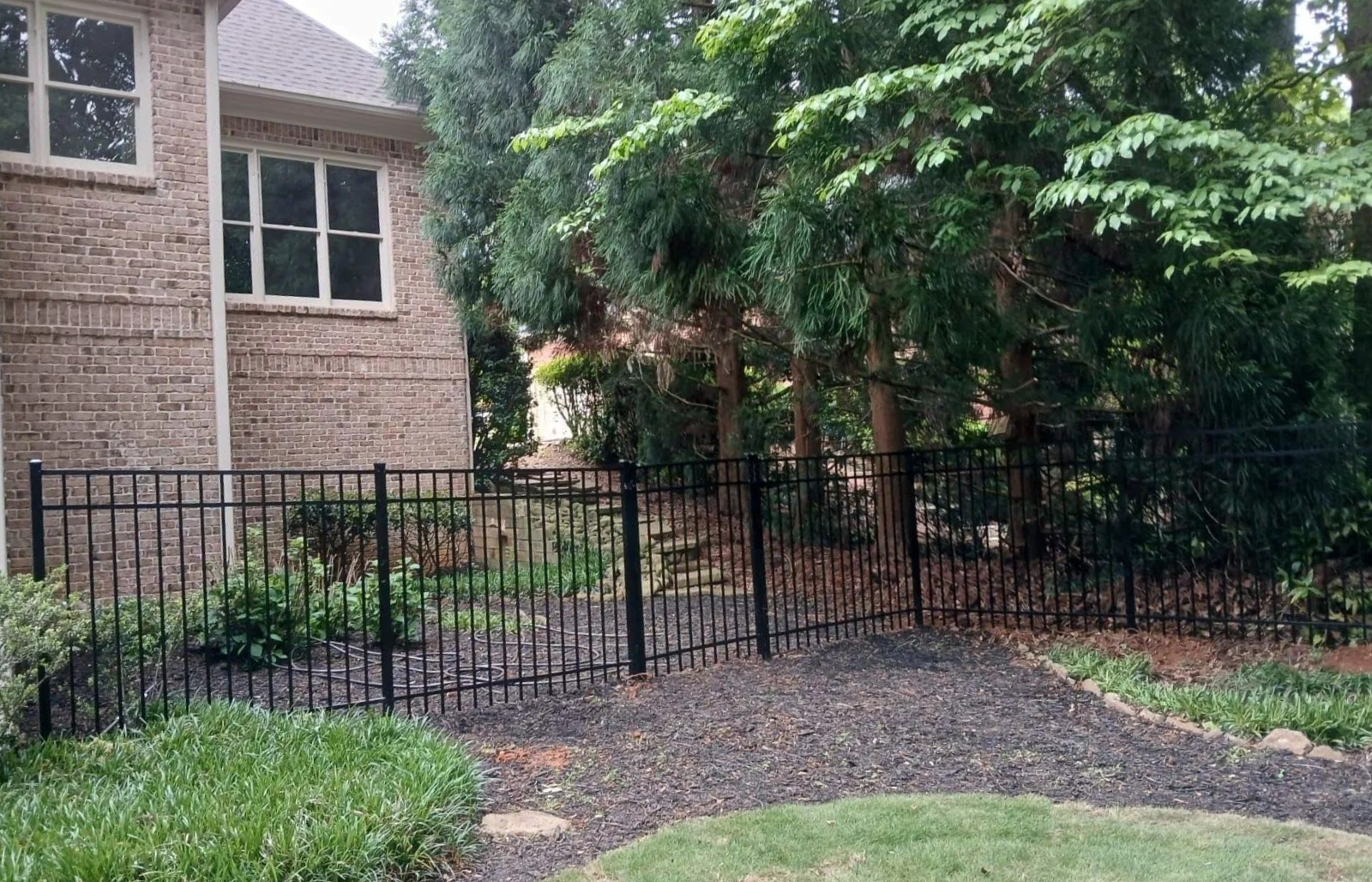
Many neighborhoods in Cumming, GA, have strict Homeowners Association (HOA) guidelines. We have spent years working within these constraints. A fence must be strong and compliant.
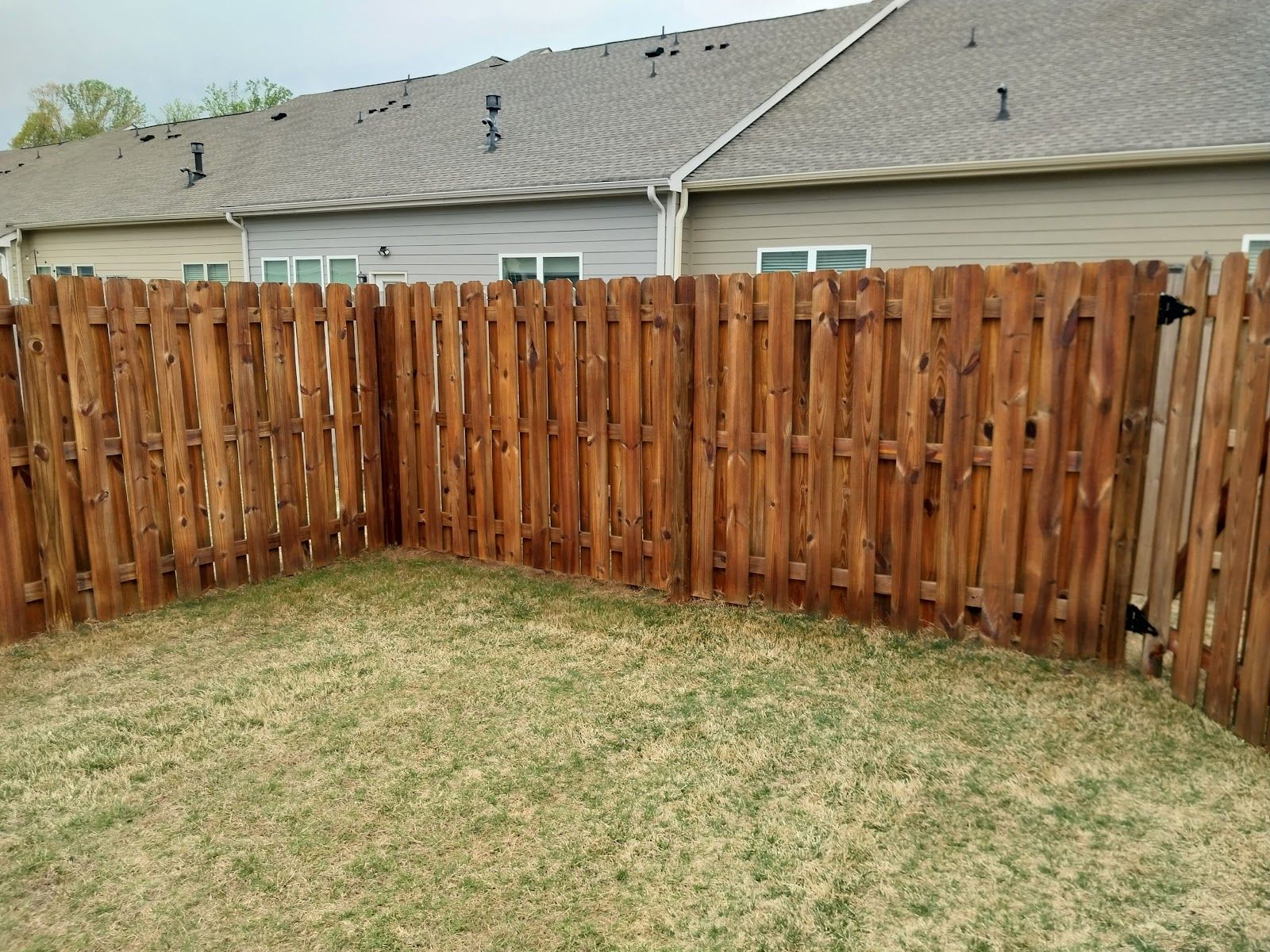
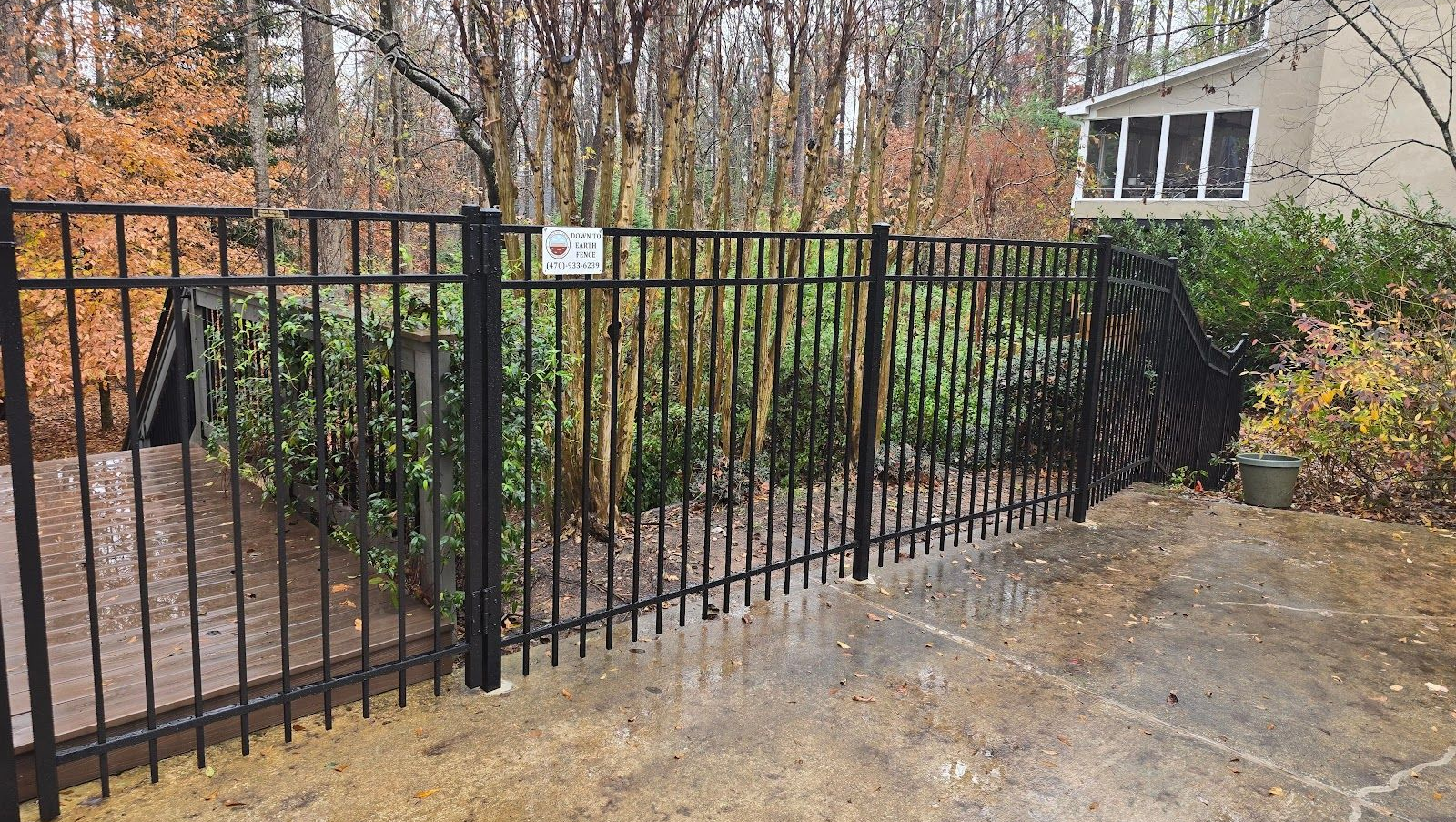
We assist our clients in selecting designs that meet functional needs and aesthetic requirements. Whether it is black aluminum fencing that mimics wrought iron or a shadowbox wood fence that allows airflow, we ensure the engineering matches the regulations.
Why "Off-the-Shelf" Solutions Fail in North Georgia
Buying pre-assembled fence panels from a local hardware store is tempting. However, these panels are built for a national average. They are not built for the rigors of the South. They use thinner pickets and staples instead of ring-shank nails.
When you choose a professional fence installation, you get a custom-built structure. We "stick-build" our wood fences on-site. Every board is leveled and secured individually. This allows the fence to follow the natural contours of your North Georgia landscape without awkward gaps.
Conclusion: The Down to Earth Commitment
A fence is a significant investment in your property’s value and security. In a region as geographically unique as North Georgia, you cannot afford a generic fence installation. The combination of red clay, high humidity, and intense storm cycles requires a specialized approach.
At Down to Earth Fence, we build structures that remain straight, strong, and beautiful for decades. We understand the specific demands of our soil and climate. We don't just build fences; we build peace of mind.
Is your current fence ready for the next North Georgia storm season?