
Do you need a permit for a fence in Cumming? (What Forsyth County and HOAs require)
A single overlooked local ordinance or surprise HOA objection can significantly delay a yard improvement project before the first post ever hits the ground. Many homeowners assume that securing their property line is as straightforward as choosing a design and setting a date, only to face unexpected fines, forced teardowns, or sudden stop-work notices. Navigating Forsyth County's specific zoning rules, easement restrictions, and neighborhood approval steps protects your investment and ensures your fence installation moves forward smoothly from start to finish.
TL;DR: Core takeaways
- Forsyth County doesn't require a general building permit for standard residential fences under 8 feet, though commercial sites and pool enclosures need official clearance.
- Most Cumming subdivisions require written Architectural Review Board (ARB) clearance before work starts on your property.
- Georgia law requires calling 811 at least two business days before excavation to mark underground utilities.
- Locate official property pins or hire a licensed surveyor to avoid building on public easements or a neighbor's lot.
Ready to start?
Request an exact project estimateDo you need a permit for a fence in Cumming, GA?
Understanding local building codes saves time and prevents unexpected fines. In Cumming and surrounding Forsyth County communities, licensing and permitting rules depend on fence height, placement, and specific safety uses.
Forsyth County residential fence regulations
For standard single-family residential properties, Forsyth County Unified Development Code (UDC) sets clear boundaries on height and placement:
- Privacy or decorative fences up to 8 feet tall in back and side yards don't require a county building permit.
- Fences set in front of the front wall of your home can't exceed 4 feet in height. They must maintain open visibility so drivers can see clearly near driveways and intersections.
- If your lot sits on a corner, county rules treat both street-facing sides as front yards. Fences along both road frontages must follow sight-distance rules to prevent blocking traffic views.
When an official permit is required
You'll need to submit plans to the local building department if your project involves specific structural or safety requirements:
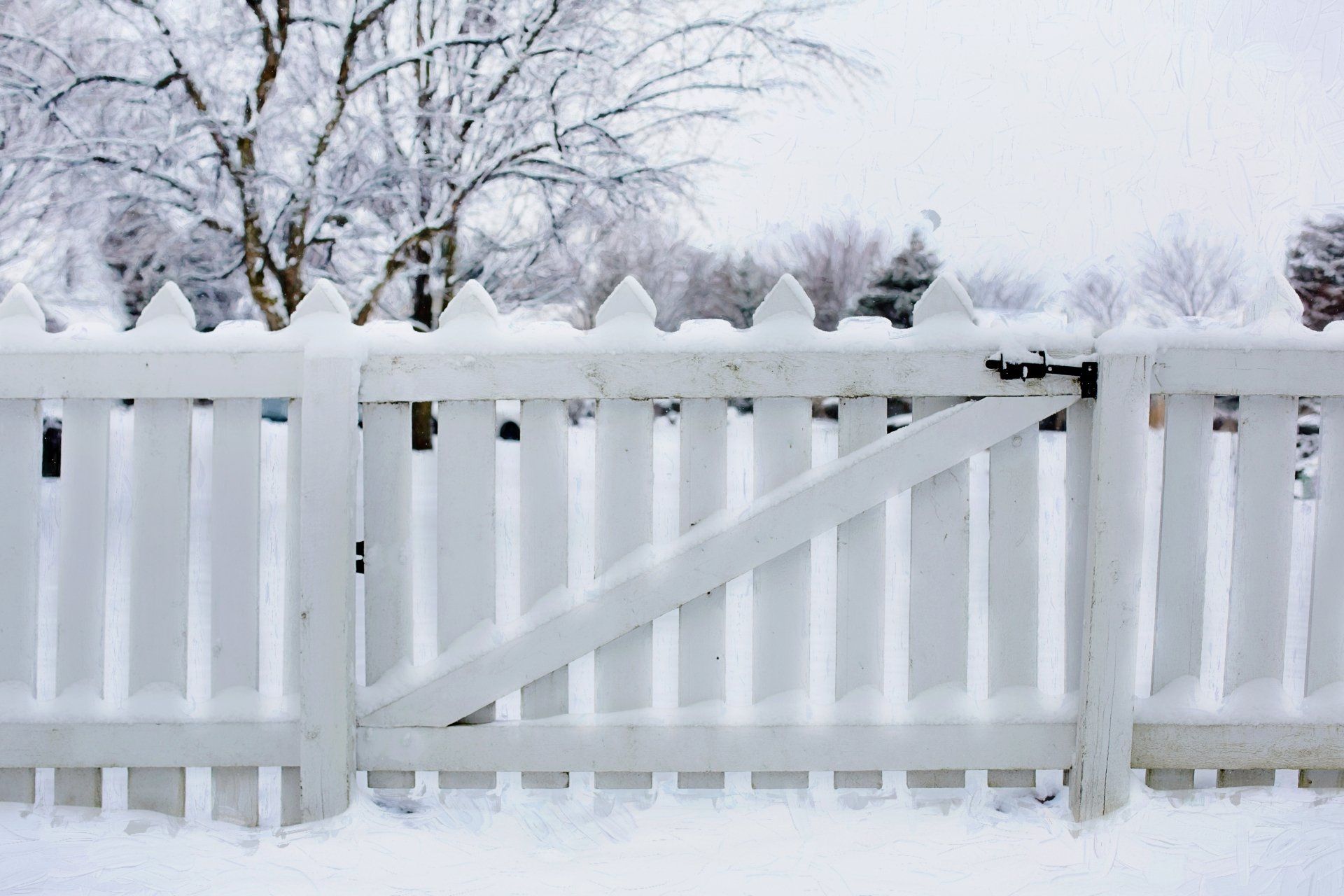
- Swimming pool enclosures must follow strict barrier codes under Georgia law. Barriers must reach at least 48 inches high, have self-closing and self-latching gates, and eliminate foot-holds that children could use to climb over.
- If your fence sits on top of a retaining wall higher than 30 inches, structural engineers must review the design to ensure wind resistance and soil stability.
- Motor-operated gates installed across driveways require an electrical permit and safety sensors that meet emergency vehicle access standards.
Verify specific zoning rules directly with Forsyth County Planning and Community Development before finalizing your design.
Navigating HOA approval in Cumming subdivisions
While county codes set baseline safety laws, local homeowners associations enforce aesthetic guidelines. Neighborhoods like Vickery, Windermere, Lake Astondale, and Creekstone Estates enforce detailed rules to keep subdivision designs consistent.
Essential items for your ARB application
Architectural review boards require complete documentation before granting written permission. Missing details pause your review and push back your construction date. Make sure your application packet includes:
- Submit a site plat map highlighting the exact path of the proposed boundary line, showing distances from house corners, property lines, and roadways.
- Include a material specification sheet stating exact product details, such as shadowbox wood, black ornamental aluminum, or white vinyl.
- Provide height and style details using a manufacturer brochure or diagram showing post caps, picket spacing, and top edges.
- Attach color palette samples showing natural wood stains, factory powder-coat finishes, or approved vinyl shades.
- Plan for finished side orientation. Subdivisions strictly require the finished, decorative side to face outward toward neighboring properties, leaving structural rails facing inward toward your home.
Review board response times range from 10 to 30 days. Starting your submission early keeps your overall project on track.
Property lines, easements, and utility markouts
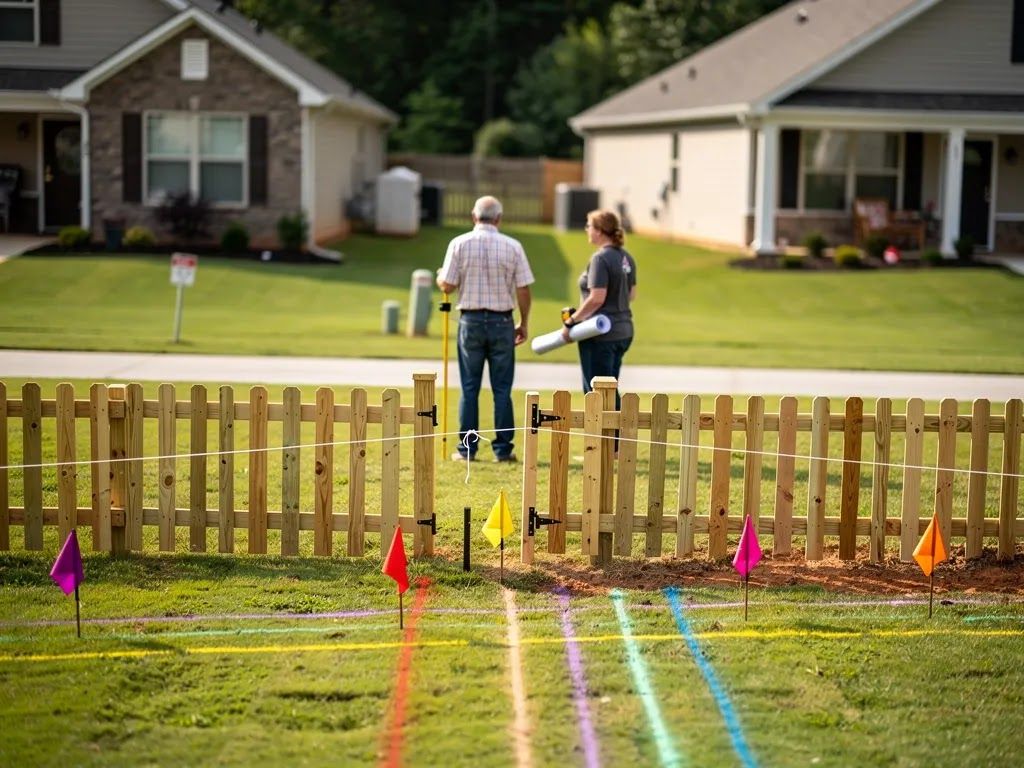
Building on the wrong side of a property line leads to expensive disputes and forced teardowns. Taking foundational steps before digging protects your yard and keeps peace with your neighbors.
Finding official property pins
Over time, lawn care, sediment movement, and landscaping obscure metal boundary stakes installed during original construction. Never estimate your property line using mowed lawn edges, trees, or existing neighboring fences.
Locate property pins using a metal detector, reference your original closing plat, or hire a registered Georgia land surveyor. If you plan to build directly along a shared property line, review the design with your neighbor beforehand to avoid future misunderstandings.
Understanding utility easements and drainage paths
Most residential lots carry utility easements along rear and side property lines. These strips of land give utility companies legal rights to access underground pipes or overhead cables.
- Keep natural drainage swales clear. Trapping stormwater behind solid pickets causes soil erosion and wood rot.
- Allow for utility access clearance. Utility workers may remove structures built across easements if emergency repairs become necessary. Choose removable gate sections if your layout crosses access corridors.
Free utility staking with Georgia 811
Digging post holes without knowing what lies beneath risks severe injury and costly utility repair bills. Georgia law requires property owners and contractors to contact Georgia 811 at least two business days before starting any excavation.
| Color code | Utility type identified |
|---|---|
| Red | Electric power lines and lighting cables |
| Yellow | Gas, oil, steam, or petroleum pipelines |
| Orange | Telecommunications, fiber optics, CATV, and telephone |
| Blue | Potable drinking water pipes |
| Green | Sewer and drain lines |
| Purple | Reclaimed water or irrigation lines |
Trained technicians visit your property to mark underground utility routes with color-coded spray paint or flags, ensuring post augers avoid dangerous lines.
Comparing fencing materials for North Georgia yards
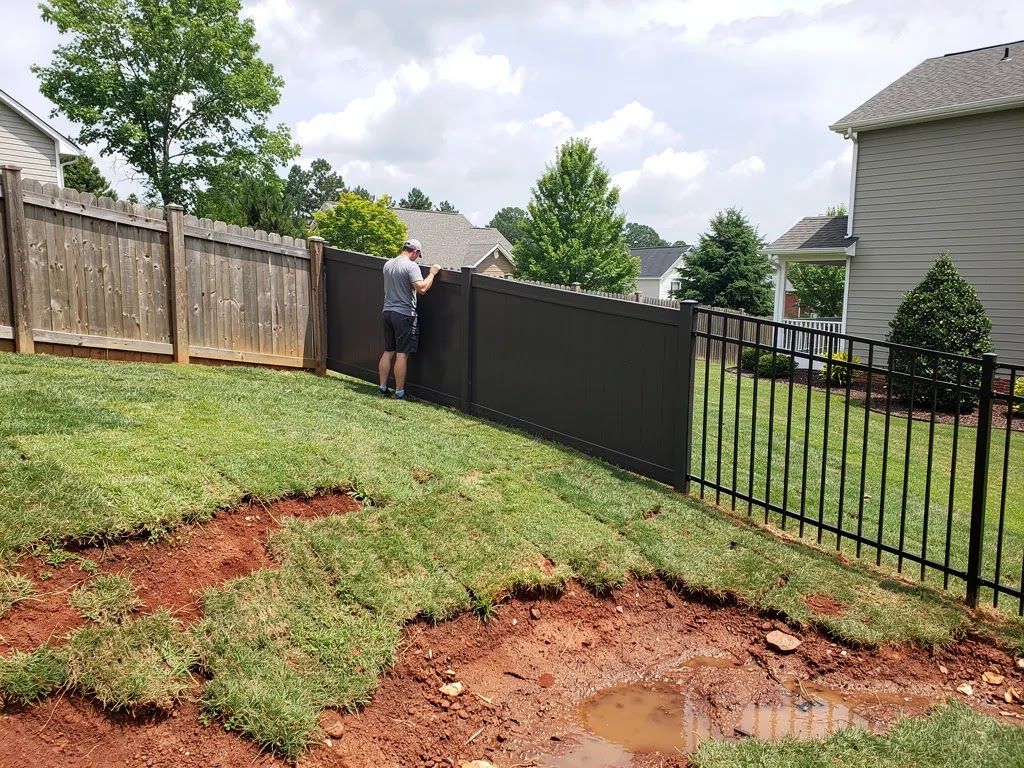
Cumming's rolling terrain and climate influence how different fencing materials perform over time. Hot summers, high humidity, and dense red clay soil require careful material selection.
Pressure-treated pine
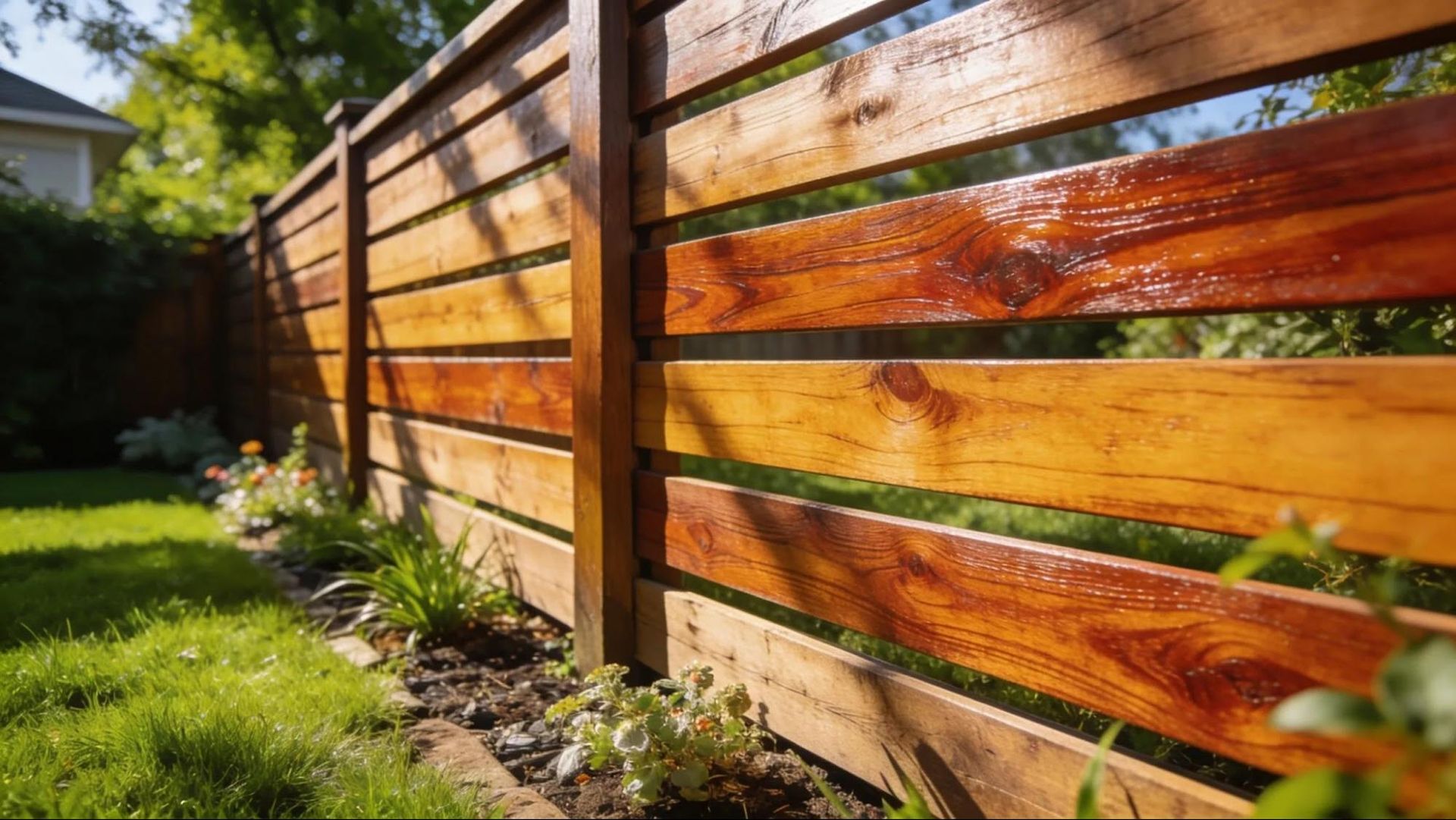
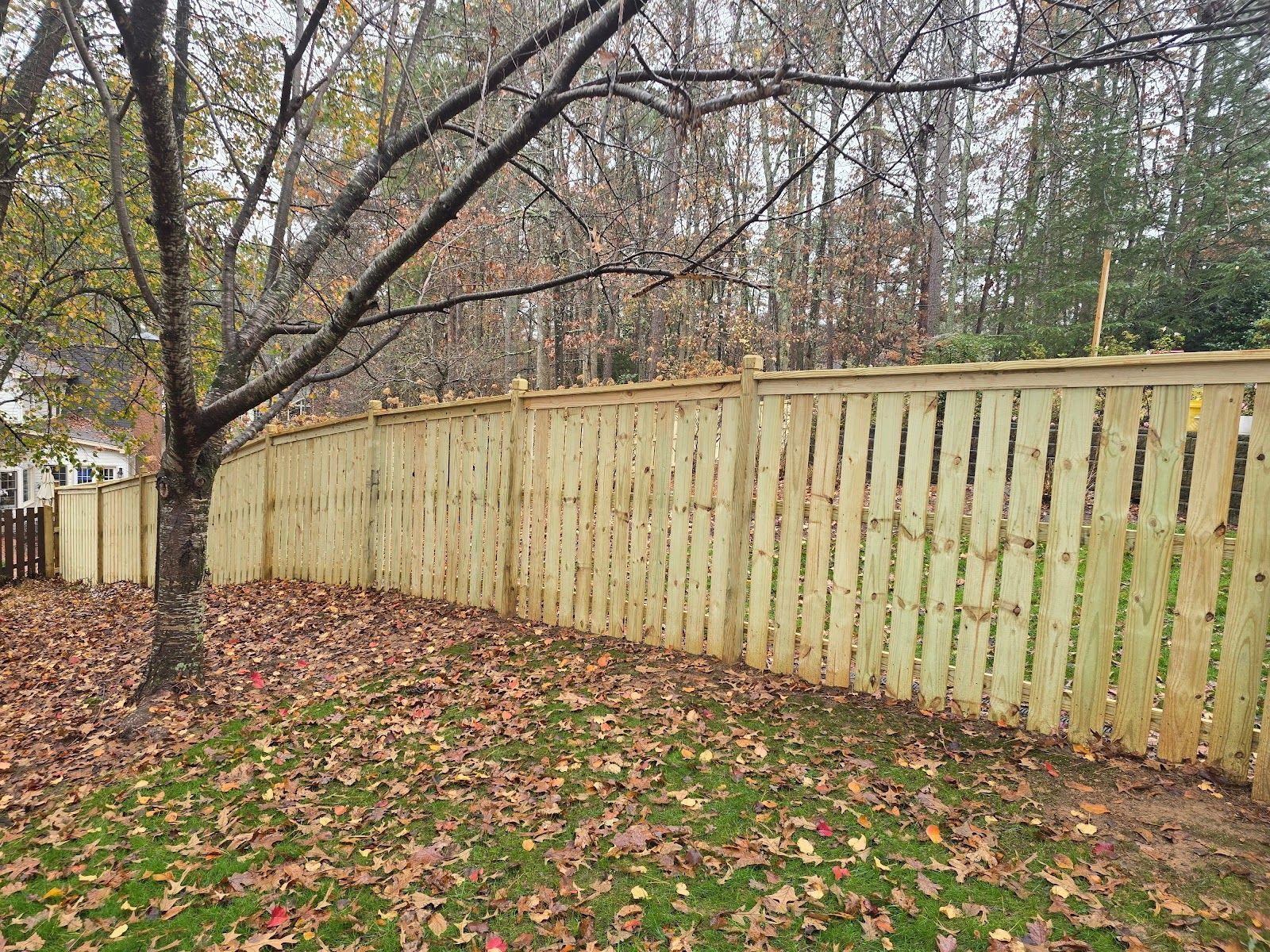
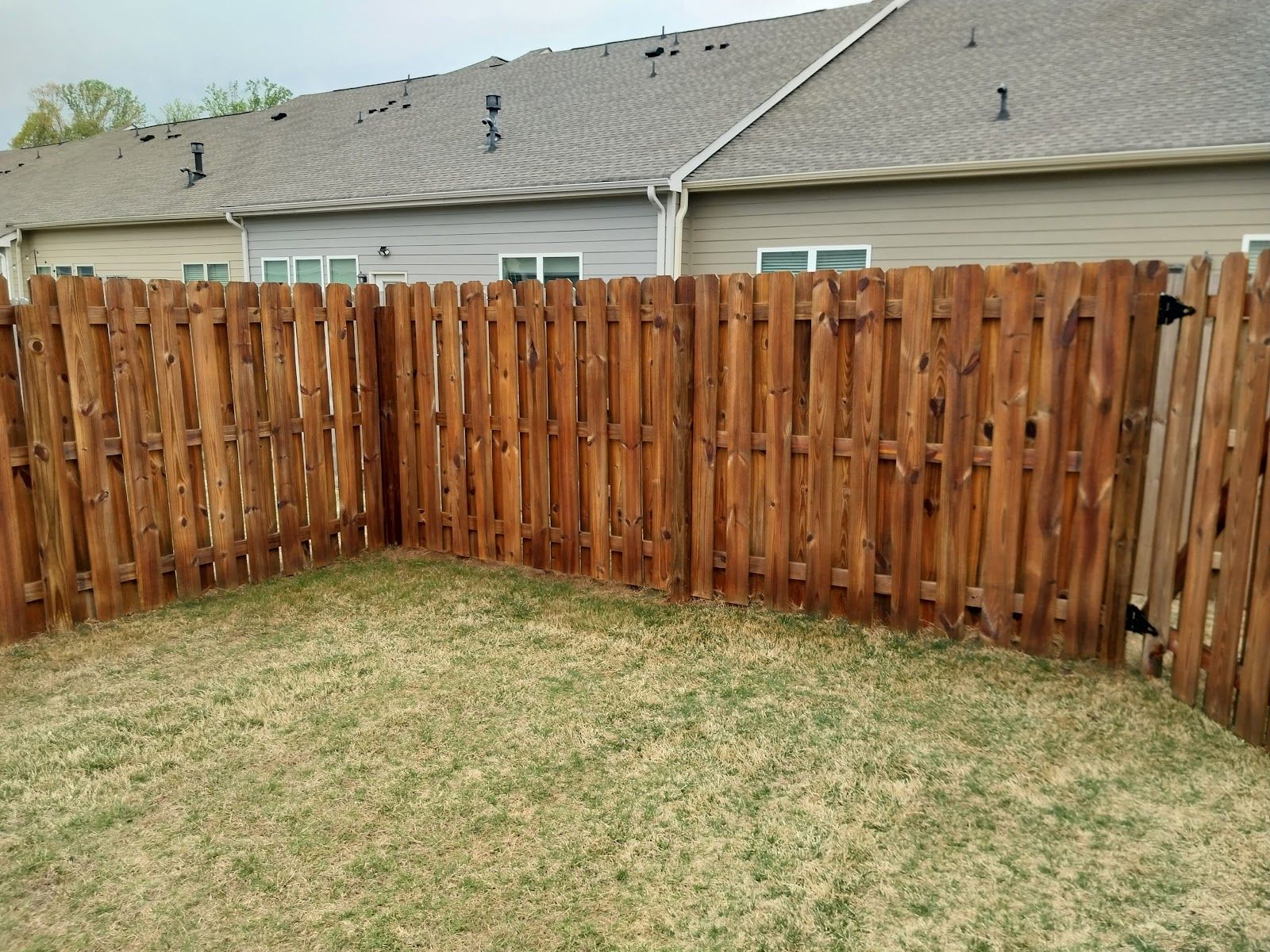
Pressure-treated pine remains a top choice for privacy enclosures. Chemical treatments help the wood resist subterranean termites and fungal decay from damp soil. It is cost-effective, adapts easily to sloped ground, and takes custom paints or stains. However, pine can warp or shrink as moisture dries out during peak summer heat. Plan to apply fresh seal or stain every two to three years.
Western red cedar
Cedar has natural oils that resist insect infestation and rot without artificial chemicals. It features exceptional dimensional stability, minimal warping, and a rich natural grain finish. While cedar carries a higher initial material cost than pine, periodic washing and light staining preserve its natural reddish tones.
Low-maintenance vinyl
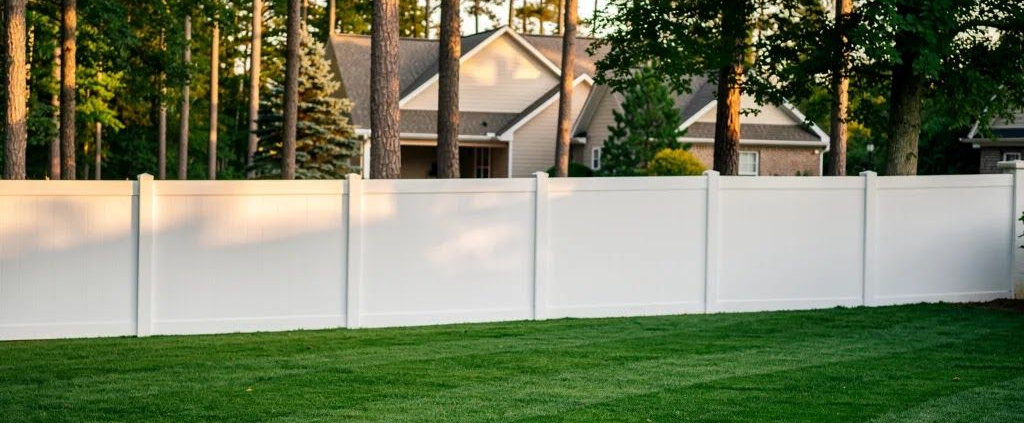
Vinyl fencing has clean lines without the upkeep of natural timber demands. It won't rot, split, or require painting, and cleans easily with a garden hose and mild detergent. While vinyl requires a higher upfront installation cost and heavy-duty aluminum internal rail inserts across long spans, maintenance stays simple with an occasional wash to remove clay splashes or shade algae.
Powder-coated ornamental aluminum
Aluminum gives your yard classic elegance, solid security, and open visibility around pools or wooded backyards. Its rackable panel designs follow steep slopes without leaving gaps underneath, and the metal is immune to rust and humidity. Aluminum provides boundary security and curb appeal without blocking views, requiring only an occasional rinse to remove pollen or dirt buildup.
To explore real-world examples and material options tailored to local properties, review our
fence installation options in Cumming, GA.
Common permitting and installation mistakes to avoid
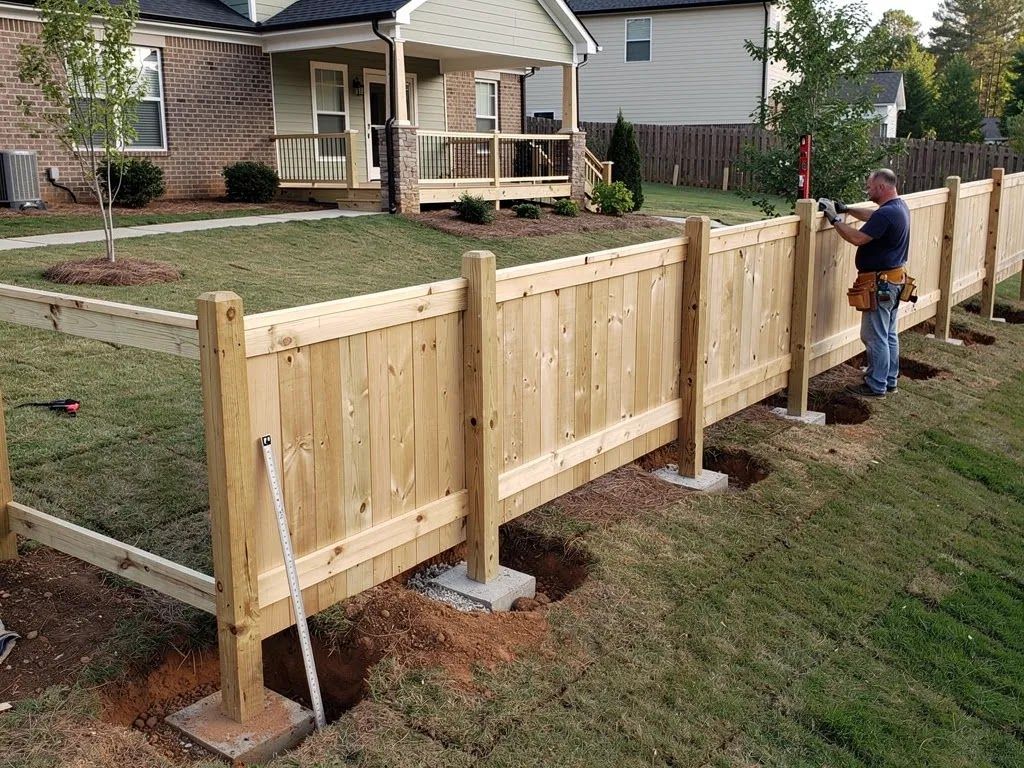
Avoiding predictable installation pitfalls keeps your project running on schedule and within budget.
- Dig post holes at least 24 inches deep to stay below North Georgia's frost line and keep structures stable during ground shifts.
- Adapt fence panels to sloped ground so pets can't escape underneath and unsightly stair-step gaps are eliminated.
- Face structural framing inward toward your home to stay compliant with HOA guidelines and keep the decorative side facing outward.
- Set every post in concrete footings so heavy rains don't soften surrounding clay and cause posts to lean.
- Account for gate swinging clearance on hillsides so bottom edges don't drag along rising turf when opened.
Step-by-step project timeline from plan to completion
Working with experienced professionals keeps your project structured from initial concept through final walkthrough.
- Days 1-10 (Design and HOA filing) Confirm property boundaries, choose materials, and submit paperwork to your neighborhood Architectural Review Board.
- Days 11-14 (Utility marking and delivery) Submit your GA 811 location request and receive color-coded field markings. Materials arrive on site.
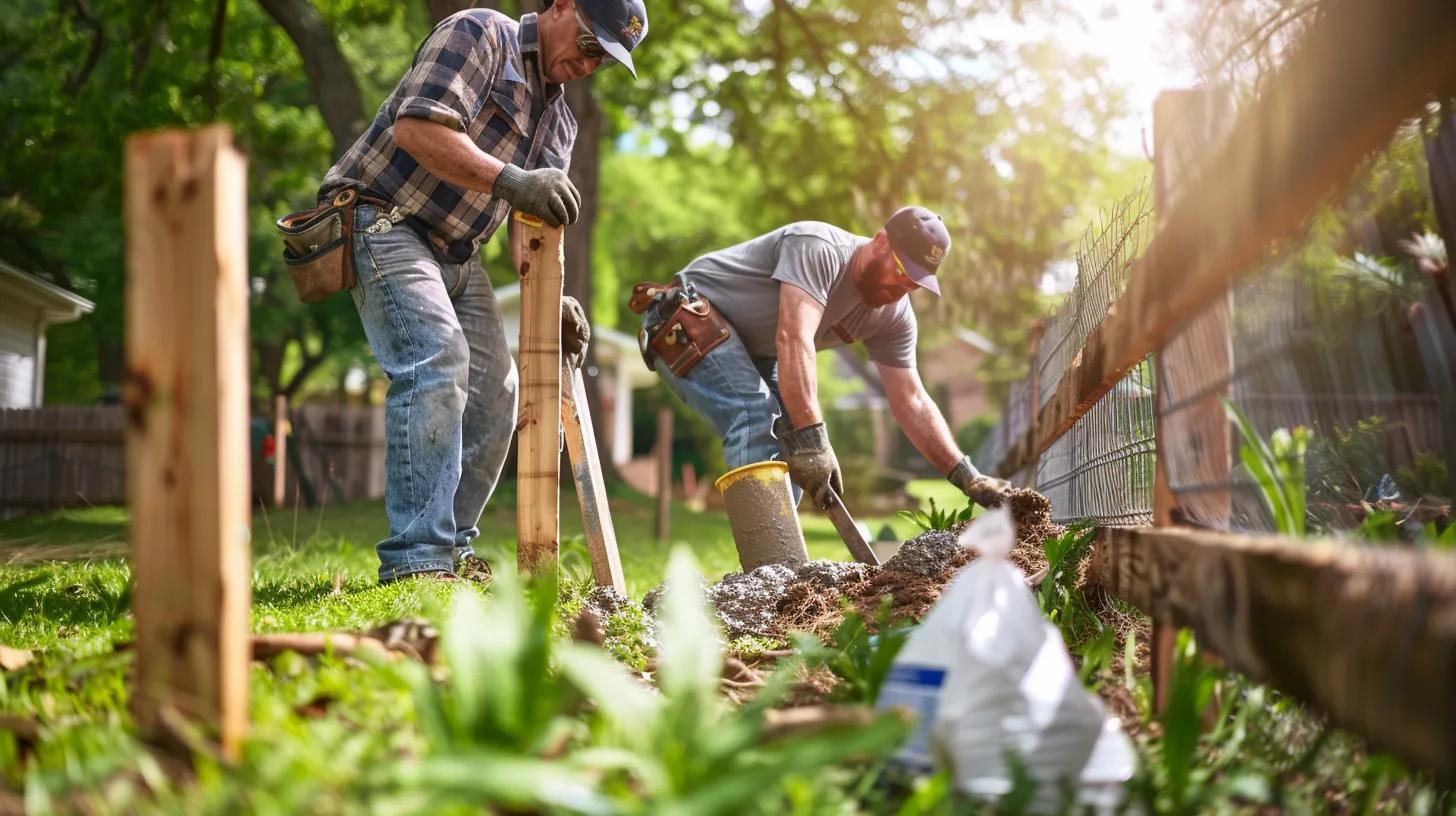
- Days 15-16 (Post setting) Excavate post holes, set posts plumb, and pour concrete footings. Allow concrete to cure fully before hanging heavy panels.
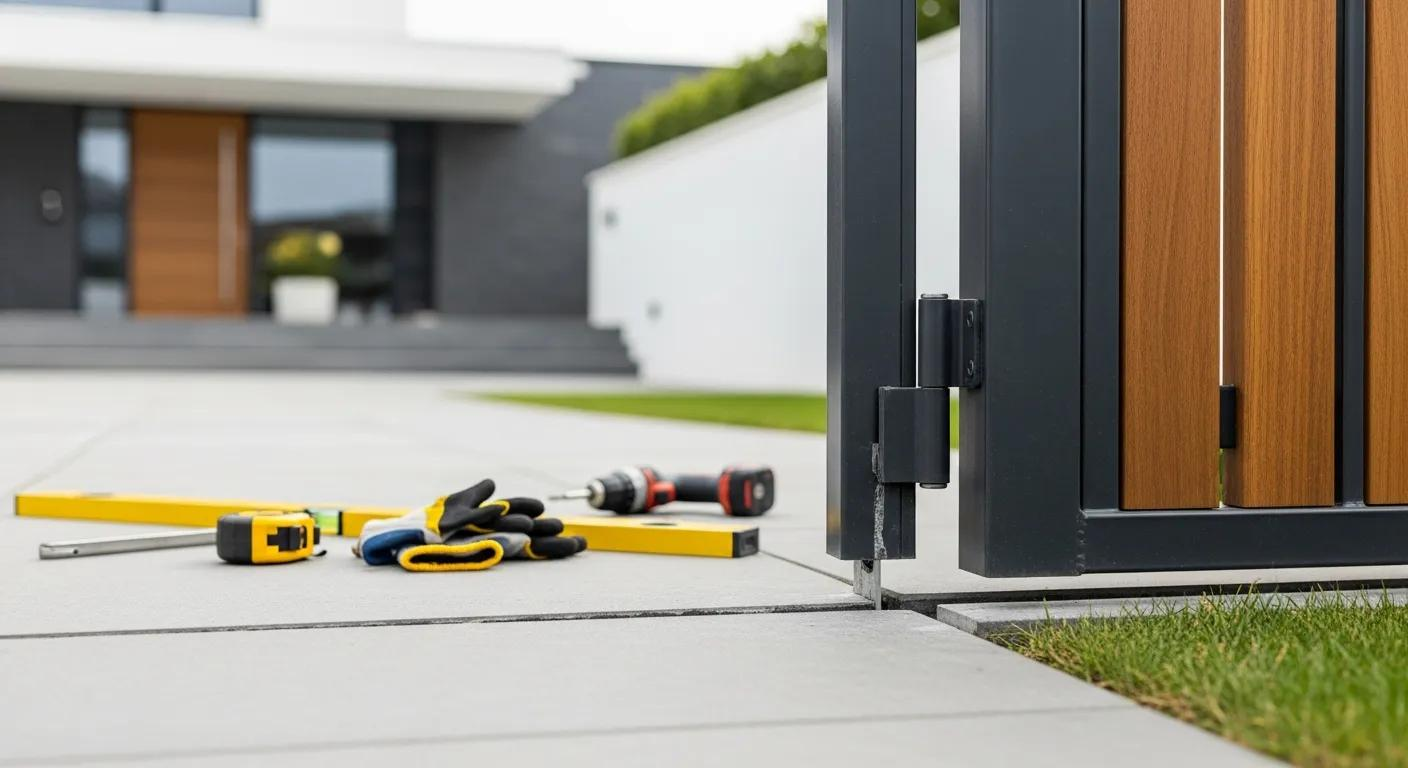
- Days 17-18 (Panel assembly and gate installation) Mount fence pickets or panels, align latches, adjust gate hinges, and complete a final quality inspection.
Ready to build your ideal fence in Cumming, GA?
Adding a durable, beautifully crafted fence increases your home's curb appeal, secures your yard for children and pets, and establishes clear privacy boundaries. Navigating local permits, HOA approvals, and utility markouts doesn't have to feel overwhelming when you have experienced guidance every step of the way.
As a locally owned, family-operated business recognized as Best of Forsyth 2025 & 2026 (Fencing Contractor), Down to Earth Fence delivers award-winning craftsmanship and honest communication on every residential installation. Whether you prefer traditional wood privacy, low-maintenance vinyl, or elegant ornamental aluminum, our team handles every detail with care.
Contact our local team today to
schedule a free estimate for your property.
About the author
Anthony Tisi is the Owner and Master Craftsman at Down to Earth Fence, a locally owned and family-operated fencing contractor headquartered in Cumming, GA. Recognized as the Winner of Best of Forsyth 2025 & 2026 for Fencing Contractors, Anthony brings years of hands-on field experience in North Georgia, specializing in residential privacy enclosures, custom automated driveway gates, and site-specific HOA compliance. Under his leadership, the Down to Earth Fence team has completed hundreds of compliant installations across Forsyth County, helping homeowners navigate municipal zoning codes, property line surveys, and long-lasting material selection.