Why new fences lean and rot early (and how to stop it)
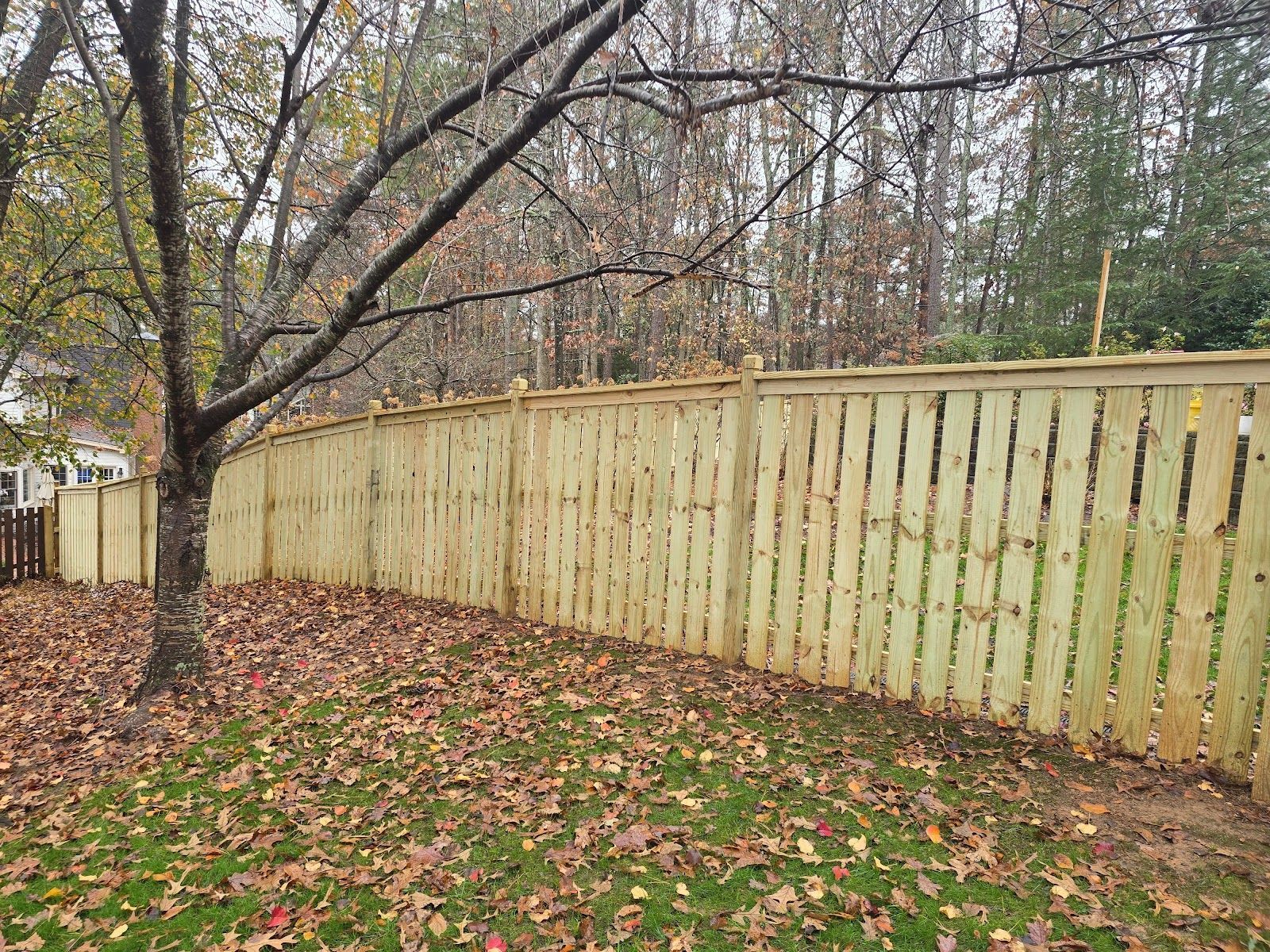
A fence can look perfect on install day and still be leaning a few years later. A post starts to wobble, a section tilts toward the neighbor's yard, or a storm snaps a post off at the dirt, all while the boards above look fine.
The good news: it's preventable, and it comes down to a few things you can ask about before work starts. We're Down to Earth Fence, a family-run, two-time Best of Forsyth award-winning
fence company in Cumming.
In this guide, we'll show you where fences usually give out, why Georgia is tough on posts, and five questions worth asking any installer. We serve homeowners and businesses in Cumming, Dawsonville, Johns Creek, Ball Ground, Milton, and across Forsyth County.
TL;DR: What to know before you hire
- Fence posts often give out right at ground level, so that's where your quote should be most specific. Bring the five questions below to every estimate, including ours.
- Ask what ground-contact rating the wood posts carry. Any post in the ground should be rated at least UC4A, and a USDA Forest Products Lab researcher says posts in wet ground or high-decay regions like the Southeast need the heavier-duty UC4B rating.
Why fences give out at ground level
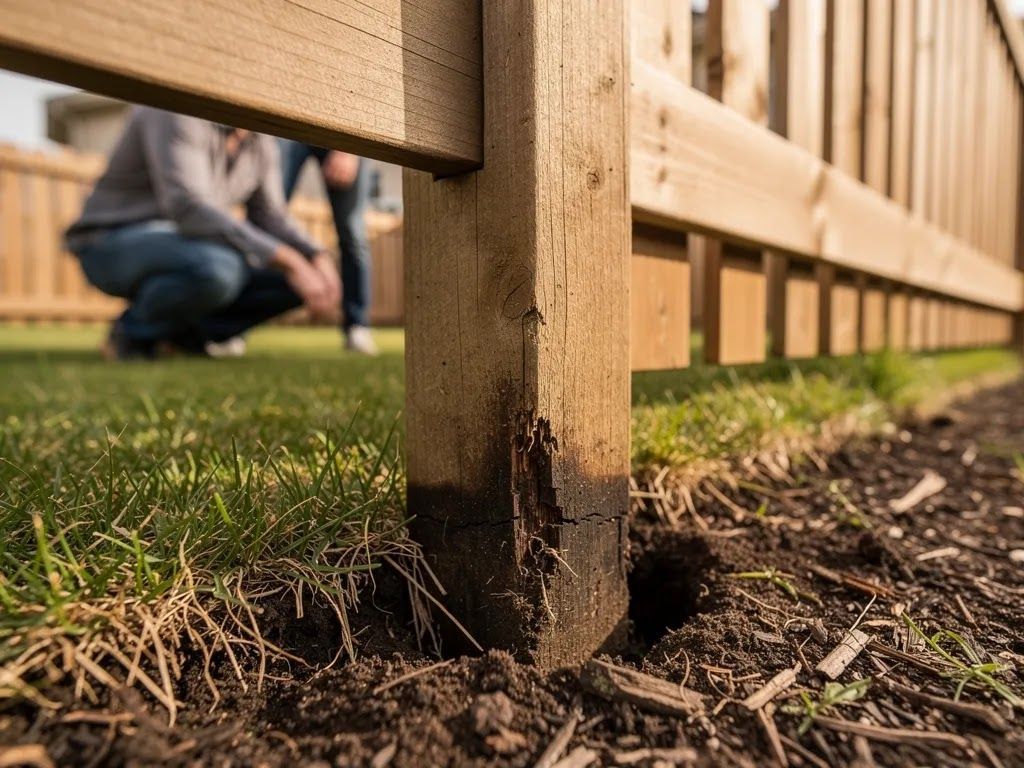
Where the posts meet the soil is where to focus your questions.
Wood fence posts often rot and break right at ground level. A USDA Forest Products Lab researcher explains why in
a 2017 column for the Journal of Light Construction. That's where the post stays damp from the soil but still gets air, which gives decay what it needs, and it's also where the post takes the most stress.
That's why a fence can look great from the patio and still be failing below the surface. When you compare quotes, focus your questions on what happens at the base of each post.
Why fence posts wear out faster in Georgia

Our warm, wet weather and termites are hard on any wood that sits in the soil.
The same researcher puts the Southeast among the regions where wood in the ground faces a high risk of rot, and that's where he says UC4B posts are needed. So the rating you choose matters more here than in many other parts of the country.
According to
a UGA Extension termite bulletin, termites can be found in nearly every yard in the Southeast. They easily attack wood that touches the ground, and no wood is completely immune.
Red clay usually isn't the culprit. The USDA's official description of Cecil soil rates this red clay, found across the Piedmont from Alabama to Virginia, as well drained, and it barely swells or shrinks as it wets and dries. The same description notes that nearby Worsham soils, found in low spots where drainage channels begin, are poorly drained. So the thing to watch is water that collects in low spots, and a good installer should point that out when they look at your yard.
Five questions that tell you if a new fence will last

Ask about the parts you won't see after the install day. We're happy to answer every one of these, and we'd encourage you to ask them of every fence company you talk to. We're not a big-box installer where you're just another sale. We're a local, family-run team, and we'd rather you hire with confidence.
If you're planning
fence installation in Cumming, GA or anywhere in Forsyth County, screenshot this table and bring it to every estimate.
| Ask this | A good answer | Worth asking more about |
|---|---|---|
| What ground-contact rating do the posts carry? | A specific rating they can name, and why it fits your yard | "They're pressure-treated," with no rating |
| How will the concrete be finished at the surface? | A plan to shed water away from the post | No plan for water at the base of the post |
| Where does water go along the fence line? | They've checked where your downspouts and sprinklers send water, and where it pools | Nobody mentions drainage |
| How will soil and mulch stay off the wood? | A clear gap under the bottom boards | Boards touching dirt on install day |
| Why this material for my yard? | A recommendation tied to your site | The same answer for every property |
1. What ground-contact rating do the posts carry?
Ask what rating is on the wood. It's printed on the end tag or treatment stamp, and any post set in the ground should be rated at least UC4A, according to the Southern Pine Inspection Bureau's 2016 treated-wood guide. For posts in wet ground or high-decay regions like ours, the USDA researcher mentioned above says the heavier-duty UC4B rating is needed. "Pressure-treated" by itself doesn't tell you much.
2. How will the concrete be finished at the surface?
You want a plan that keeps water moving away from the base of the post. The same researcher recommends bringing the concrete above the soil and sloping its top away from the post so water runs off. Concrete that stops below the dirt line misses that benefit.
3. Where does water go along the fence line?
A good installer checks where your downspouts and sprinklers send water, and where it pools, before quoting. That matters for termites too. The UGA guide notes that colonies are thought to be more active in suburban yards where regular watering keeps the soil moist.
We walk every client through the site conditions before recommending anything. If water collects along the planned line, the fix may be adjusting the layout or adding drainage before posts go in. Your part is easy: mention any spots you've seen puddle after a storm.
4. How will soil and mulch stay off the wood?
Look for a clear gap between the dirt and the bottom of the boards, with mulch beds kept back from the posts. Soil and mulch piled against wood can give moisture and termites an easy way in, so that gap should be part of the plan from day one. After install, keep new mulch and garden beds from creeping up against it.
5. Why this material for my yard?
The right answer ties the material to your property. As we covered in our June 2026 press release on fence materials, we recommend weighing three things:
- What the fence needs to do
- What your yard is like, including drainage, sun, and nearby water
- How much upkeep you're up for
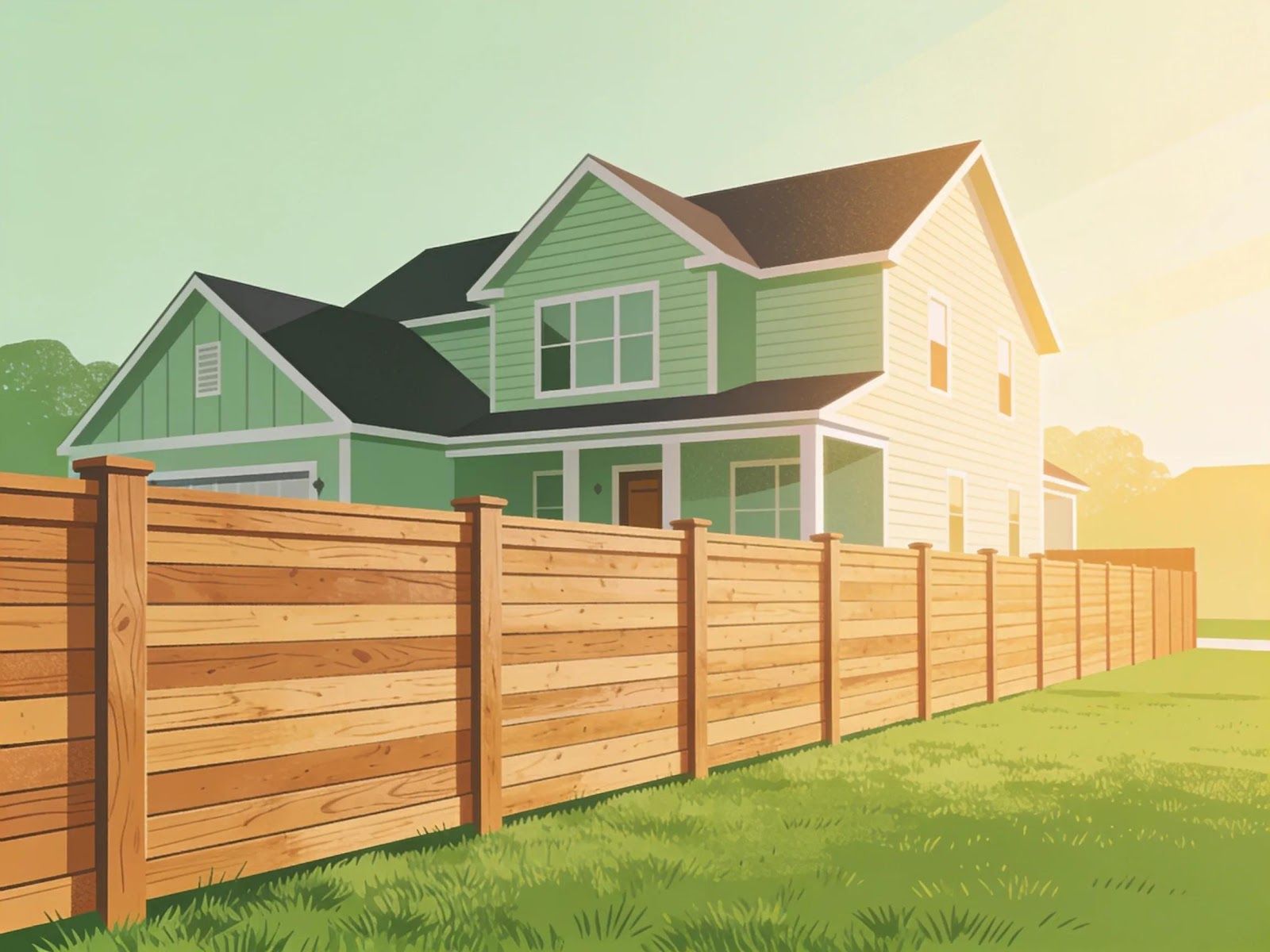
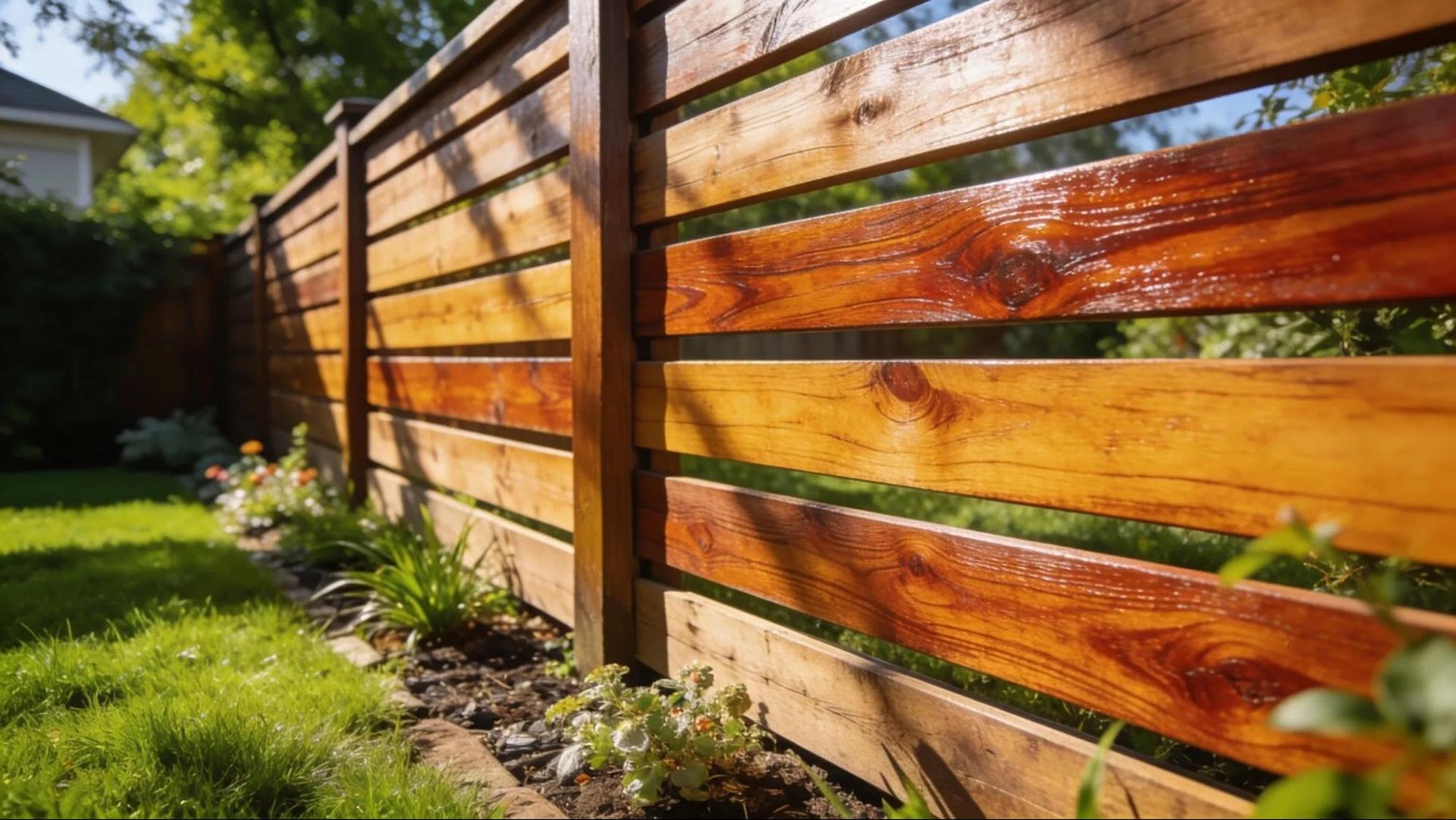
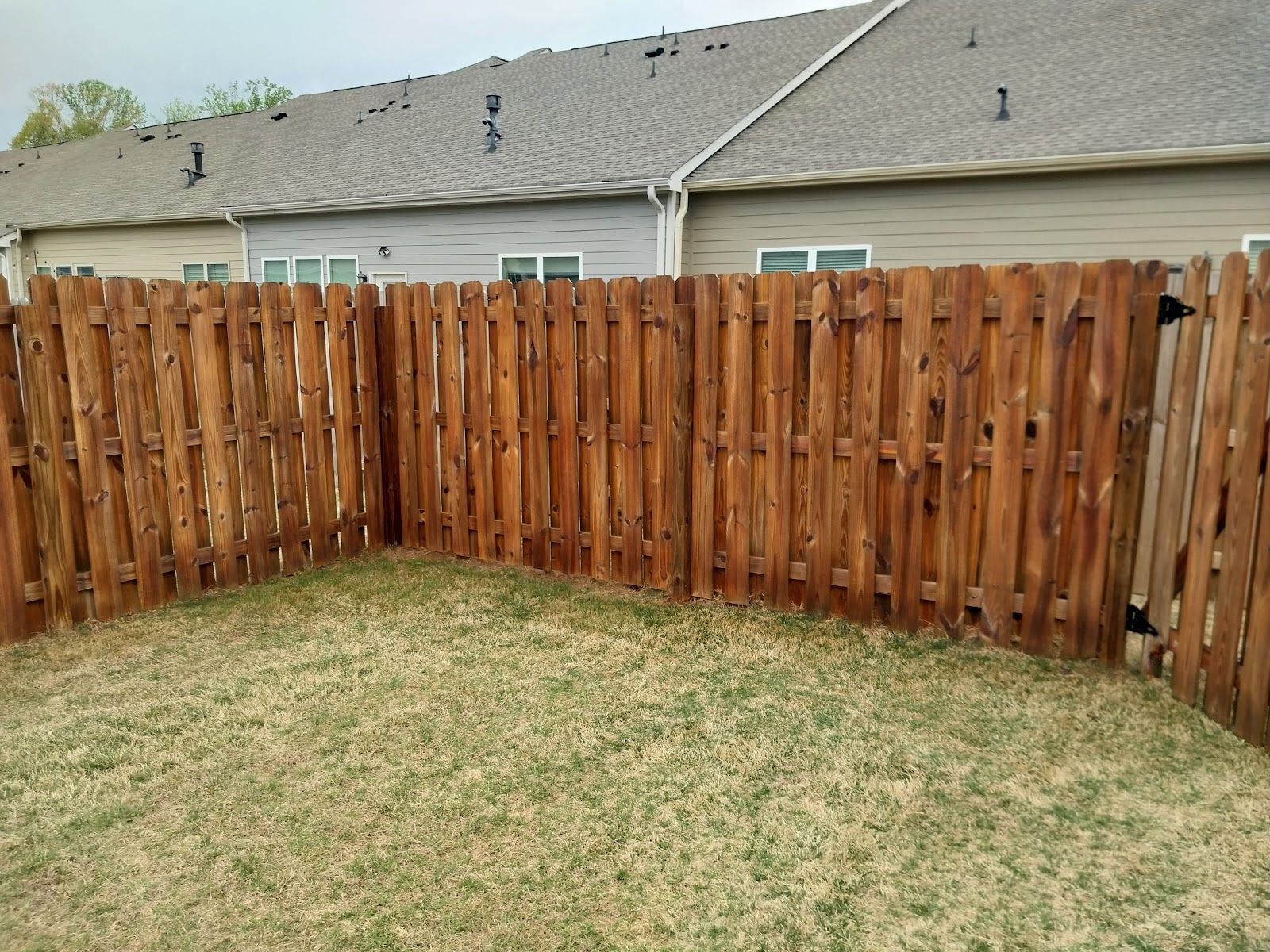
A wood fence can last 15 to 20 years in North Georgia when it's installed correctly, drains well, and is kept up with a quality stain or paint. We recommend premium-grade pressure-treated lumber and restaining every two to three years, and our
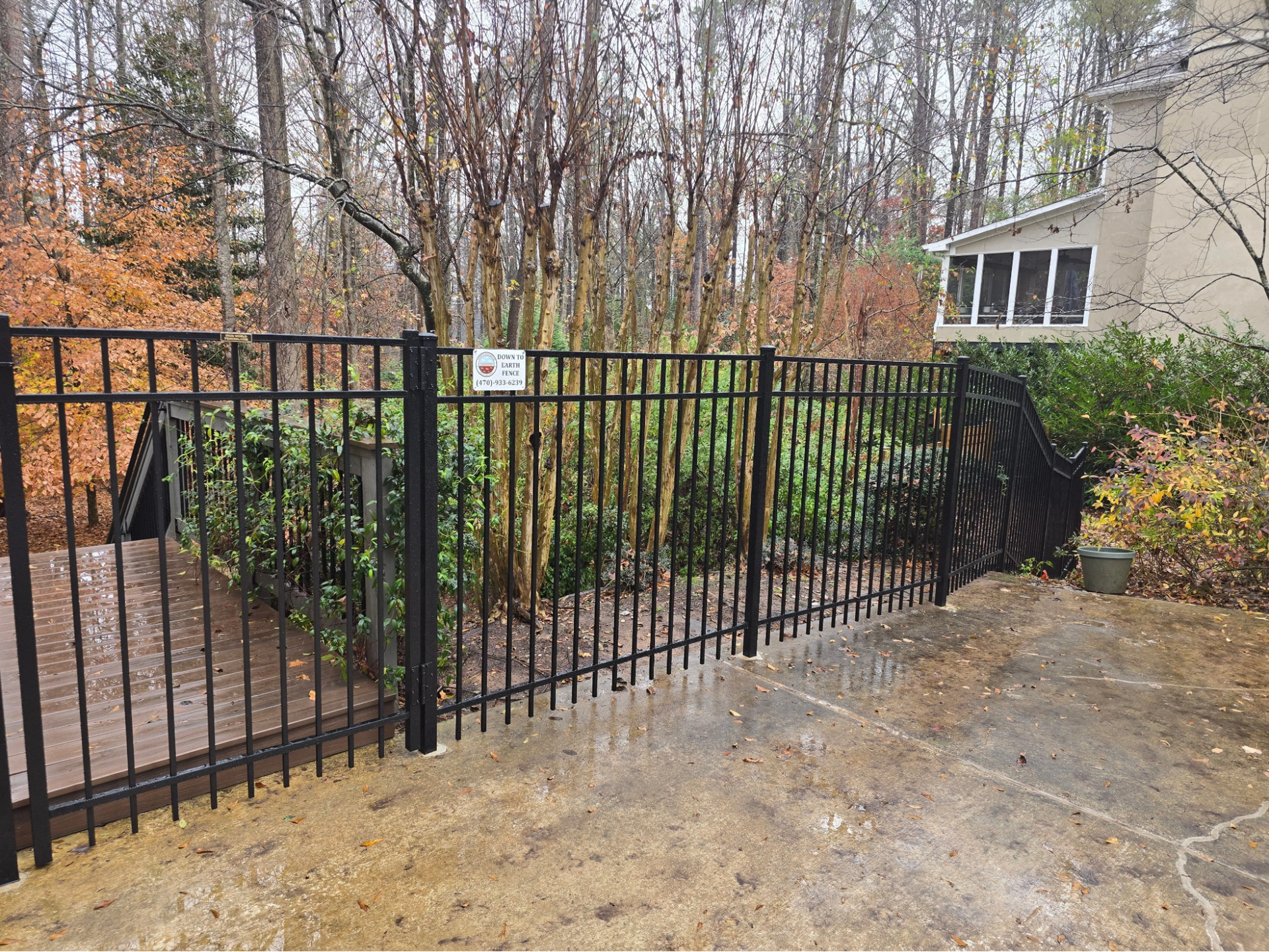
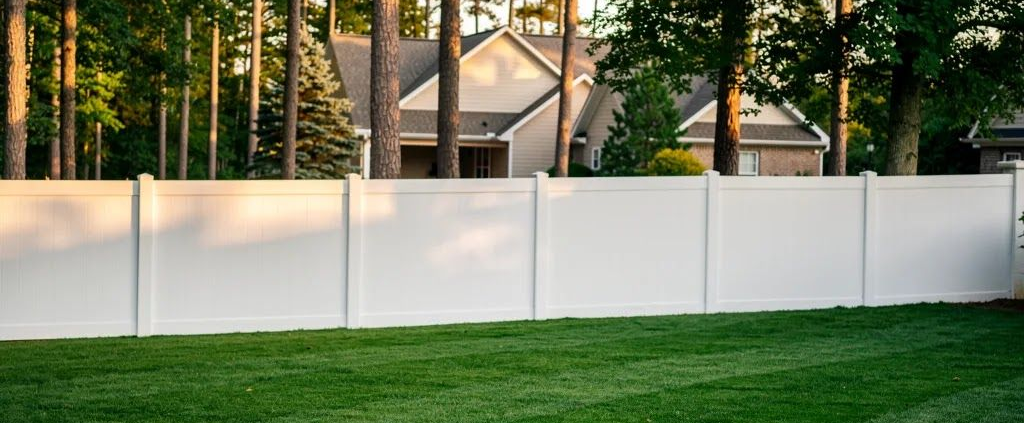
fence staining service can handle that for you. Vinyl won't rot or attract insects. Aluminum resists rust and doesn't soak up water, so it works well near pools and wet spots, though it gives you less privacy.
If you're weighing natural wood against a low-maintenance option, our
comparison of cedar and vinyl fences for Georgia homes walks through the trade-offs.
Already learning? How to decide between repair and replacement
If only a few posts are soft at the base, replacing those posts may be enough. If most of them are soft, a new fence on better posts may be the better long-term fix.
These can be early signs that posts are failing:
- A post moves when you push on the top.
- The wood feels soft or spongy where it meets dirt or concrete. Pressing in gently with a screwdriver can help you tell.
- A gap is opening between a post and its concrete.
- A gate that used to latch now drags or misses the latch, which may mean the hinge post has moved.
We handle both repairs and new installations, and estimates are free. If the soft posts are bunched on the low side of the yard or under a downspout, it's worth fixing the water source too, so new posts don't face the same conditions.
Before you sign
How long your fence lasts gets decided at ground level on install day, so ask about what happens at the base of each post before you sign. Want a local team's take on your yard before you commit? We offer free estimates for homes and businesses across Forsyth County and North Georgia.
Request a Free Estimate and bring the five questions with you.
About the author
Anthony Tisi is the founder of Down to Earth Fence, a locally owned, family-operated fence and gate installation company based in Cumming, Georgia. Honored as Winner of Best of Forsyth (2025 & 2026) for Fencing Contractor, Anthony brings years of hands-on experience in custom wood privacy structures, ornamental aluminum pool fencing, and automated driveway gate installations across Forsyth County and North Georgia.